Top videos

Prepare to be Amazed: Shocking Changes After the AI Singularity: AGI Artificial General Intelligence!
Are you ready for a mind-bending journey into the future? Join us as we explore the incredible world that awaits us after the Singularity, where artificial general intelligence (AGI) reigns supreme. In this eye-opening video, we delve into the debate and fears surrounding Singularity, from the risk of human extinction to the emergence of a new superintelligent race.
But that's not all! We'll uncover the potential impacts of the Singularity, including economic collapse, loss of humanity, environmental disaster, and the erosion of our collective knowledge and history. Discover the driving factors propelling us closer to this technological tipping point, such as ever-increasing processing power, abundant labeled data, and groundbreaking approaches to AI training.
Hold on tight as we explore the groundbreaking applications of AGI, from virtual e-commerce assistants revolutionizing our daily lives to cutting-edge digital fraud detection systems. And we won't shy away from discussing the more controversial possibilities, including the potential enslavement of humanity, the specter of world war, and the mind-boggling concept of matryoshka brains.
As we peer into the future, we also consider the profound societal shifts ahead. Brace yourself for a potential economic collapse fueled by mass unemployment caused by AI automation. Transhumanism may detract from our humanity, challenging our very essence. And let's not forget the fear of World War III ignited by the conflict between humans and AI.
Join us on this captivating journey where technological advancement collides with the unknown. The future is here, and it's time to unlock the secrets of Singularity. Don't miss out on this thrilling exploration of the potential triumphs and tribulations that await us in a world where technology surpasses human control and intelligence.
#SingularityRevelations #AGINear #ShockingChanges #FutureTech #ArtificialIntelligence #AIRevolution #TechRevolution #HumanityAtRisk #BeyondHuman #TechnologicalAdvancement #UnchartedTerritory #EconomicCollapse #EnvironmentalCatastrophe #KnowledgeLoss #WorldWarIII #Transhumanism #MatrioshkaBrains #AIvsHumanity #EthicalAI #SecurityConcerns #TheAITrail
Was there anything we missed?
For Business Inquiries: [email protected]
![Python Full Course [2024] | Python for Beginners - 12 Hours | Python Course | Edureka](https://i.ytimg.com/vi/HkPpSUbrgNI/maxresdefault.jpg)
🔴 𝐋𝐞𝐚𝐫𝐧 𝐓𝐫𝐞𝐧𝐝𝐢𝐧𝐠 𝐓𝐞𝐜𝐡𝐧𝐨𝐥𝐨𝐠𝐢𝐞𝐬 𝐅𝐨𝐫 𝐅𝐫𝐞𝐞! 𝐒𝐮𝐛𝐬𝐜𝐫𝐢𝐛𝐞 𝐭𝐨 𝐄𝐝𝐮𝐫𝐞𝐤𝐚 𝐘𝐨𝐮𝐓𝐮𝐛𝐞 𝐂𝐡𝐚𝐧𝐧𝐞𝐥: https://edrk.in/DKQQ4Py
🔴 Edureka Python Programming Course: https://www.edureka.co/python-....programming-certific
This "Python Full Course for Beginners" video provides a comprehensive overview of Python programming. This Python Course for beginners has foundational concepts such as variables and data types to advanced topics like functions, modules, and object-oriented programming. This Python for Beginners video offers a step-by-step approach with explanations, examples, and interactive exercises. It's the perfect starting point for individuals eager to dive into Python programming from scratch.
00:00:00 Introduction
00:01:35 Agenda
00:03:36 Why use Python?
00:46:50 when to use python comments
01:09:28 Logical Operators
01:18:58 tuple in Python
01:47:26 Dictionary vs List
02:05:41 Loops in Python
02:37:05 Why Use Functions
03:12:07 Why Use Lambda Function
03:32:33 What is an Array
03:48:37 Array Concatenation
03:58:07 What is Inheritance in python
04:15:38 Exception Handling
04:31:41 Why use Python Requests
04:59:26 Regular expression
05:40:19 File handling in Python
05:57:06 file Write Method
06:04:24 Perfrom CRUD operations
06:37:15 Numpy Operators
06:53:19 Numpy Special Function
08:03:24 What is Data Visualization
08:23:51 Histogram
08:31:09 Working with multiple Plots
09:01:05 Who is Python Developer
09:13:29 Data Structure and sorting Techniques
09:22:59 Interview questions
📢📢 𝐓𝐨𝐩 𝟏𝟎 𝐓𝐫𝐞𝐧𝐝𝐢𝐧𝐠 𝐓𝐞𝐜𝐡𝐧𝐨𝐥𝐨𝐠𝐢𝐞𝐬 𝐭𝐨 𝐋𝐞𝐚𝐫𝐧 𝐢𝐧 𝟐𝟎𝟐𝟒 𝐒𝐞𝐫𝐢𝐞𝐬 📢📢
⏩ NEW Top 10 Technologies To Learn In 2024 - https://www.youtube.com/watch?v=vaLXPv0ewHU
🔴 Subscribe to our channel to get video updates. Hit the subscribe button above: https://goo.gl/6ohpTV
🔴 𝐄𝐝𝐮𝐫𝐞𝐤𝐚 𝐎𝐧𝐥𝐢𝐧𝐞 𝐓𝐫𝐚𝐢𝐧𝐢𝐧𝐠 𝐚𝐧𝐝 𝐂𝐞𝐫𝐭𝐢𝐟𝐢𝐜𝐚𝐭𝐢𝐨𝐧𝐬
🔵 DevOps Online Training: http://bit.ly/3VkBRUT
🌕 AWS Online Training: http://bit.ly/3ADYwDY
🔵 React Online Training: http://bit.ly/3Vc4yDw
🌕 Tableau Online Training: http://bit.ly/3guTe6J
🔵 Power BI Online Training: http://bit.ly/3VntjMY
🌕 Selenium Online Training: http://bit.ly/3EVDtis
🔵 PMP Online Training: http://bit.ly/3XugO44
🔴 𝐄𝐝𝐮𝐫𝐞𝐤𝐚 𝐑𝐨𝐥𝐞-𝐁𝐚𝐬𝐞𝐝 𝐂𝐨𝐮𝐫𝐬𝐞𝐬
🔵 DevOps Engineer Masters Program: http://bit.ly/3Oud9PC
🌕 Cloud Architect Masters Program: http://bit.ly/3OvueZy
🔵 Data Scientist Masters Program: http://bit.ly/3tUAOiT
🌕 Big Data Architect Masters Program: http://bit.ly/3tTWT0V
🔵 Machine Learning Engineer Masters Program: http://bit.ly/3AEq4c4
🌕 Business Intelligence Masters Program: http://bit.ly/3UZPqJz
🔵 Python Developer Masters Program: http://bit.ly/3EV6kDv
🌕 RPA Developer Masters Program: http://bit.ly/3OteYfP
🔵 Web Development Masters Program: http://bit.ly/3U9R5va
🌕 Computer Science Bootcamp Program : http://bit.ly/3UZxPBy
🔵 Cyber Security Masters Program: http://bit.ly/3U25rNR
🌕 Full Stack Developer Masters Program : http://bit.ly/3tWCE2S
🔵 Automation Testing Engineer Masters Program : http://bit.ly/3AGXg2J
🌕 Python Developer Masters Program : https://bit.ly/3EV6kDv
🔴 𝐄𝐝𝐮𝐫𝐞𝐤𝐚 𝐔𝐧𝐢𝐯𝐞𝐫𝐬𝐢𝐭𝐲 𝐏𝐫𝐨𝐠𝐫𝐚𝐦𝐬
🔵 Post Graduate Program in DevOps with Purdue University: https://bit.ly/3Ov52lT
🌕 Advanced Certificate Program in Data Science with E&ICT Academy, IIT Guwahati: http://bit.ly/3V7ffrh
🔵 Advanced Certificate Program in Cloud Computing with E&ICT Academy, IIT Guwahati: https://bit.ly/43vmME8
🌕Advanced Certificate Program in Cybersecurity with E&ICT Academy, IIT Guwahati: https://bit.ly/3Pd2utG
📌𝐓𝐞𝐥𝐞𝐠𝐫𝐚𝐦: https://t.me/edurekaupdates
📌𝐓𝐰𝐢𝐭𝐭𝐞𝐫: https://twitter.com/edurekain
📌𝐋𝐢𝐧𝐤𝐞𝐝𝐈𝐧: https://www.linkedin.com/company/edureka
📌𝐈𝐧𝐬𝐭𝐚𝐠𝐫𝐚𝐦: https://www.instagram.com/edureka_learning/
📌𝐅𝐚𝐜𝐞𝐛𝐨𝐨𝐤: https://www.facebook.com/edurekaIN/
📌𝐒𝐥𝐢𝐝𝐞𝐒𝐡𝐚𝐫𝐞: https://www.slideshare.net/EdurekaIN
📌𝐂𝐚𝐬𝐭𝐛𝐨𝐱: https://castbox.fm/networks/505?country=IN
📌𝐌𝐞𝐞𝐭𝐮𝐩: https://www.meetup.com/edureka/
📌𝐂𝐨𝐦𝐦𝐮𝐧𝐢𝐭𝐲: https://www.edureka.co/community/
Got a question on the topic? Please share it in the comment section below and our experts will answer it for you.
Please write back to us at [email protected] or call us at IND: 9606058406 / US: +18338555775 (toll-free) for more information.
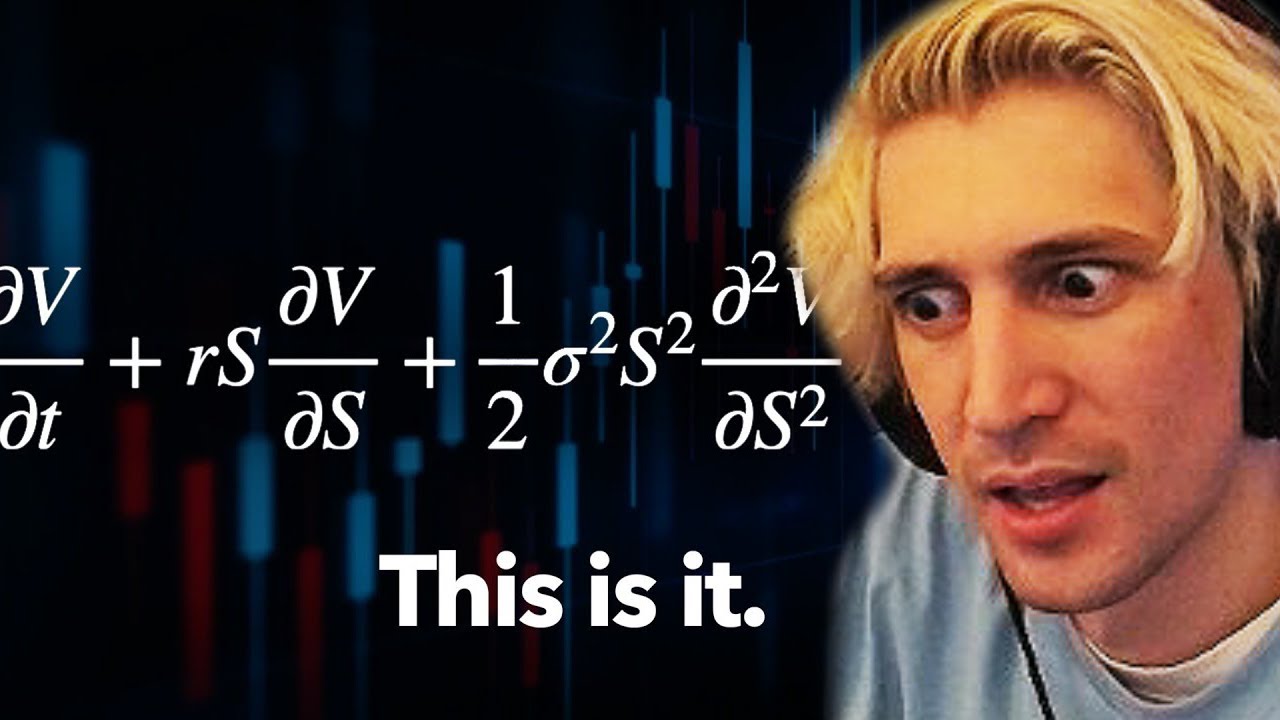
Video by Veritasium: https://youtu.be/A5w-dEgIU1M
Streaming every day on Twitch and Kick!
https://twitch.tv/xqc
https://kick.com/xqc
Stay Connected with xQc:
►Twitter: https://twitter.com/xqc
►Reddit: https://www.reddit.com/r/xqcow/
►Discord: https://discord.gg/xqcow
►Instagram: https://instagram.com/xqcow1/
►Snapchat: xqcow1
If you own copyrighted material in this video and would like it removed please contact me at one of the following:
►https://twitter.com/DailyDoseofxQc
►[email protected]

¡Suscríbete para ver todos nuestros videos! @VeritasiumES
Video en Inglés del Canal @veritasium : https://www.youtube.com/watch?v=Q51-gLL_MRM&ab_channel=Veritasium
🕹 Este canal de YouTube es administrado por: https://www.unilingo.co/
❓Comentarios o sugerencias de traducción: [email protected]
------------------------------------------------------------------------
#veritasiumenespañol #ciencia #matemática #física #química #universo #conocimiento #viral #veritasium

Get Surfshark VPN at https://www.surfshark.deals/solarballs - Enter promo code SOLARBALLS for 83% off & 3 extra months for FREE!
Astrodude and @veritasium are fighting to be chosen for ROTSAR's secret mission to become space explorers! Who will be chosen?
Welcome to SolarBalls! Your planetball / spaceballs channel filled with fun, entertaining animations that also help you learn about the solar system, and the universe. If you like space animations and comedy - then this channel is for you!
🌎 Become a Space Adventurer by buying your space gear! 🌎
➔ https://solardrops.store
🏆 Get Perks, and support the future of SolarBalls on Patreon!
https://www.patreon.com/SolarBalls
To partner with us to VO SolarBalls in your own language, click:
shorturl.at/ikS19
And... If you're a fellow YouTuber, needing production help, check our our agency: https://www.nowcreatives.com/services
#solarballs #planetball #planetballs #spaceballs #countryball #countryballs #polandball #polandballs #space #spaceball #spacex #nasa #starwars #startrek #scifi #sun #solarsystem #cartoon #spaceball #veritasium #astronaut #tutorial
![Тестовый вопрос, на который все ответили неверно [Veritasium]](https://i.ytimg.com/vi/yP_hDez9wXA/maxresdefault.jpg)
Поддержать проект можно по ссылкам:
Если вы в России: https://boosty.to/vertdider
Если вы не в России: https://www.patreon.com/VertDider
Выпускники школ в США сдают SAT — стандартизированный тест, результаты которого учитываются при поступлении в ВУЗ, что-то вроде знакомого всем ЕГЭ. В 1982 в одну из задач по математике закрался любопытный парадокс, который составители теста проглядели, из-за чего все предложенные варианты ответа оказались неверными. Чтобы разобраться, как же всё-таки правильно решать подобные задачи, Дерек Маллер с канала Veritasium связался с одним из выпускников того года, который разглядел ошибку в тесте, и, как ни странно, после школы стал математиком.
Перевод: Егор Афонин
Редактура: Елена Смотрова
Научная редактура: Макар Светлый, Игорь Тирский
Озвучка: Дмитрий Чепусов, Юрий Катарманов
Монтаж звука: Андрей Фокин
Монтаж видео: Джон Исмаилов
Обложка: Андрей Гавриков
Спасибо за поддержку на https://www.patreon.com/VertDider и https://boosty.to/vertdider
Озвучки Vert Dider выходят с вашей помощью:
Pavel Dunaev, Mikhail Stolpovskiy, Sergey Zhukov, Katoto Chan, Все будет хорошо, Anatoly Zapadinsky, Anton Bolotov, Pavel Parpura, Мikhail Samin, Vitaliy Vachynyuk, opperatius, Eugene Tsaplin, Oleg Zingilevskiy, Mykola Korniichuk, Kirill Zaslavskii, Victor Cazacov, Valeriy Dubrava, Aleksei Shabalin, Ihar Marozau, Irina Shakhverdova, Victoria Kleban, VEG, Morock_D, mifon bejenari, Vladimir Sharich, Leonid Steinberg, Maxim Korotkov, Alex Kulakov, Alexander Goida, Anna Ostrovskaya, Dmitry Chechulin, Lexx, Nikrodol, Rashn, Виктор Харламов, Постный Оладий, Alexander Kulikov, Alien, Artem Piskarev, Artem Sobolenkov, Being of Whiteout, Cyril Anonimov, Kirill Markov, Maxim Titov, SodayaSodochka, Timophey Popov, andruche, asdadasa, darthmorf s, dv0, pervprog, Арс Ник, Артем Сиваченко, Глеб Кочергин, Дмитрий Казанов, Кожаный Гусь, Никита Омельницкий, Тимур Абдуллин, Тот самый Виктор.
#vertdider #veritasium
Сайт студии: http://vertdider.tv
Мы в социальных сетях:
— https://vk.com/studio_vd
— https://t.me/vertdider
— https://twitter.com/Vert_Dider
Разрешение на публикацию: https://bit.ly/2SFhrHZ
© https://www.youtube.com/@veritasium
Источник: https://www.youtube.com/watch?v=FUHkTs-Ipfg&t=3s
![Волшебные колёса от НАСА [Veritasium]](https://i.ytimg.com/vi/5vp4CoEdS1s/maxresdefault.jpg)
Поддержать проект можно по ссылкам:
Если вы в России: https://boosty.to/vertdider
Если вы не в России: https://www.patreon.com/VertDider
Изобретать колесо, вроде как дело бесполезное, но что ещё остается, когда нужно отправить ровер на другую планету, а привычные нам колёса не выдерживают суровых условий: камеры лопаются, резина замерзает, да и весят они слишком уж много. Дерек Маллер с канала Veritasium заглянул в гости к специалистам из НАСА, которые как раз ищут решение этих проблем. Они работают с нитинолом — металлом с памятью формы и ещё несколькими уникальными свойствами, благодаря которым есть надежда создать колёса, готовые проехать по любому инопланетному бездорожью.
Перевод: Елена Смотрова
Редактура: Алексей Малов
Научная редактура: Леонид Вокин
Озвучка: Дмитрий Чепусов, Лиза Чабан, Алексей Никитин
Монтаж звука: Андрей Фокин
Монтаж видео: Джон Исмаилов
Обложка: Андрей Гавриков
Спасибо за поддержку на https://www.patreon.com/VertDider и https://boosty.to/vertdider
Озвучки Vert Dider выходят с вашей помощью:
Pavel Dunaev, Mikhail Stolpovskiy, Sergey Zhukov, Ira Kozlovskaya, Amir, Dmitrii Komarevtsev, Pavel Parpura, Мikhail Samin, Roman Inflianskas, Oleg Zingilevskiy, opperatius, Alena, Aleksandr P., Ника Калмыкова, Vitaliy Vachynyuk, Куляш, Anatoly Ressin, Anton Bolotov, JIukaviy, Katoto Chan, Eugene Tsaplin, Anpat, angel, Victor Cazacov, Timur Sattarov, Kirill Zaslavskii, Janis Riekstins, Ihar Marozau, Artem Amirbekov, Dzmitryi Halyava, Aleksei Shabalin, Vladyslav Sokolenko, Vadim Velicodnii, Kseniya Stukova, Irina Shakhverdova, POD666, Alex Kulakov, Stanislav Obrazcoff, Sergey P, Павел Приступа, Anna Ostrovskaya, Oleksandr Hrebeniuk, Leonid Steinberg, Ilya, Alexander Goida, Katya Ma, Morock_D, Evgeny Vrublevsky, Сергей Платоненко, Валентин Ильин, Владимир Ямщиков, Мария Зверева, Адам Шифф, Rashn, Roman Gelingen, Сергей Клопов, Rashn, Nikrodol, Rincewind, Lexx, Alexander Lebedev, Sonra44, Шурик Самара, Ranis Zaripov, Alexey Tyurnin, Anastasiya Zotova, Anton G, Dmitry Perekalin, Vadim, Владимир Авдиев, MaximML , Timophey Popov, Иван Новиков, Арс Ник, Никита Омельницкий, Rekvet, Илья Зверев, Точка Зрения, Artem Sobolenkov, Artem Piskarev, Timur Rahmatulin, Тимур Абдуллин, Timur Rahmatulin, Глеб Кочергин, Адам Шифф, Василий , Никита Омельницкий, Alexey Sklyar.
#vertdider #veritasium
Сайт студии: http://vertdider.tv
Мы в социальных сетях:
— http://vk.com/studio_vd
— https://t.me/vertdider
— https://twitter.com/Vert_Dider
— http://coub.com/vertdider
Разрешение на публикацию: https://bit.ly/2SFhrHZ
© https://www.youtube.com/c/veritasium/
Источник: https://youtu.be/vSNtifE0Z2Q

Este es un compilado con nuestros tres videos sobre agujeros negros. En esta lista pueden ver los videos completos: https://www.youtube.com/playli....st?list=PLhEFGPjWw9F
Desde su descubrimiento teórico nos hemos preguntado ¿qué es un agujero negro?
Afortunadamente el 10 de abril de 2019 tuvimos la oportunidad de ver la primera foto de un agujero negro supermasivo en la galaxia M87 con una masa de 6.5 mil millones de veces la de nuestro sol. Esto fue posible gracias al increíble trabajo del equipo del proyecto colaborativo del Telescopio Event Horizon.
🕳SUSCRÍBETE para ver todos nuestros videos:
http://bit.ly/Suscribirse_Veritasium_en_español
Por otro lado el 22 de noviembre del 2014 se detectó una explosión de rayos X a través del sistema ASASSN. Lo que presenciamos fue cómo un agujero negro devoró a una estrella.
Un agujero negro pulsante en el centro de una galaxia distante esclarece un poco más nuestro conocimiento sobre los agujeros negros y la formación de galaxias.
En este video les presentamos una compilación del trabajo de Derek Muller acerca de los agujeros negros.
Los Misterios de los Agujeros Negros
Videos originales en inglés:
First Image of a Black Hole!: https://www.youtube.com/watch?v=S_GVbuddri8
How to Understand the Black Hole Image: https://www.youtube.com/watch?v=zUyH3XhpLTo
Spinning Black Holes: https://www.youtube.com/watch?v=fu3645D4ZlI
------------------------------------------------------------------------
🕹 Este canal de Youtube es administrado por: https://www.unilingo.tv/
❓Comentarios o sugerencias de traducción: [email protected]
------------------------------------------------------------------------
#veritasiumenespañol
![Как устроены швейные машинки? [Veritasium]](https://i.ytimg.com/vi/FFW0GcMCgd0/maxresdefault.jpg)
Поддержать проект можно по ссылкам:
Если вы в России: https://boosty.to/vertdider
Если вы не в России: https://www.patreon.com/VertDider
Когда-то давно, летом после восьмого класса, наша главред взялась шить себе юбку на бабушкиной швейной машинке и пробила иглой палец. Памятное пятнышко под ногтем было видно ещё несколько лет. Новое видео Дерека Маллера, конечно, не об этом, а о том, как устроены потрясающие машины, которые позволяют за несколько десятков минут создать вещь, на которую раньше ушло бы больше 12 часов.
Перевод: Елена Смотрова
Редактура: Алексей Малов
Научная редактура: Юлия Клюева
Озвучка: Дмитрий Чепусов, Алексей Никитин, Лиза Чабан
Монтаж звука: Андрей Фокин
Монтаж видео: Джон Исмаилов
Обложка: Андрей Гавриков
Спасибо за поддержку на https://www.patreon.com/VertDider и https://boosty.to/vertdider
Озвучки Vert Dider выходят с вашей помощью:
Pavel Dunaev, Mikhail Stolpovskiy, Sergey Zhukov, Amir, Oleg Zingilevskiy, Mykola Korniichuk, opperatius, Eugene Tsaplin, Vitaliy Vachynyuk, Мikhail Samin, Pavel Parpura, Anton Bolotov, Katoto Chan, Anatoly Zapadinsky, Все будет хорошо, Ihar Marozau, Irina Shakhverdova, Timur Sattarov, Aleksei Shabalin, mifon bejenari, Kirill Zaslavskii, Victor Cazacov, Valeriy Dubrava, VEG, Victoria Kleban, Morock_D, Alexander Goida, Vladimir Sharich, Maxim Korotkov, Leonid Steinberg, Alex Kulakov, Anna Ostrovskaya, Alexander Lebedev, Dmitry Chechulin, Kosmo, Lexx, Nikrodol, Rashn, Rincewind, Sonra44, Виктор Харламов, Шурик Самара, Alexander Kulikov, Alien, Artem Piskarev, Artem Sobolenkov, Artem Sobolenkov, Being of Whiteout, Cyril Anonimov, Kirill, MaximML , Rekvet, SodayaSodochka, Tersordo, Timophey Popov, Timur Rahmatulin, Timur Rahmatulin, andruche, asdadasa, dv0, pervprog, Адам Шифф, Александр Денисов, Арс Ник, Артем Сиваченко, Василий , Глеб Кочергин, Дмитрий Казанов, Иван Новиков, Илья Зверев, Кожаный Гусь, Никита Омельницкий, Никита Цикалин, Тимур Абдуллин, Тот самый Виктор.
#vertdider #veritasium
Сайт студии: http://vertdider.tv
Мы в социальных сетях:
— https://vk.com/studio_vd
— https://t.me/vertdider
— https://twitter.com/Vert_Dider
Разрешение на публикацию: https://bit.ly/2SFhrHZ
© https://www.youtube.com/@veritasium
Источник: https://www.youtube.com/watch?v=RQYuyHNLPTQ

Как спонтанный порядок возникает из хаоса? Дерек расскажет про явления синхронизации в нашей жизни. На примере с резонансом на новеньком мосту в Лондоне в 2000м году, когда, казалось бы, все проектировщики в курсе про то, как синхронный марш может разрушить мост. Объяснит, как синхронизируются метрономы на подвижной платформе. Как идеально соотносятся периоды вращения спутников вокруг планет на примере Юпитера. Про реакцию Белоусова-Жаботинского, как яркий пример химической автоколебательной реакции. А также как понимание явления синхронизации может помочь при сердечных аритмиях. И что помимо применения редукционизма науке важно научиться объединять составные части явлений и понимать их работу, как единого целого, которая обычно не равна просто сумме его частей.
Патреон: https://www.patreon.com/voicepower
Телеграм: https://t.me/voicepower
Группа вк: https://vk.com/public60480847
Оригинал: https://youtu.be/t-_VPRCtiUg
Для донатов: https://boosty.to/voicepower https://yoomoney.ru/to/41001106158836/
🔥Post Graduate Program In Data Analytics: https://www.simplilearn.com/pgp-data-analytics-certification-training-course?utm_campaign=1May2024DataAnalyticsFullCourse2024&utm_medium=DescriptionFF&utm_source=youtube
🔥IIT Kanpur Professional Certificate Course In Data Analytics (India Only): https://www.simplilearn.com/iitk-professional-certificate-course-data-analytics?utm_campaign=1May2024DataAnalyticsFullCourse2024&utm_medium=DescriptionFF&utm_source=youtube
🔥Caltech Data Analytics Bootcamp(US Only): https://www.simplilearn.com/data-analytics-bootcamp?utm_campaign=1May2024DataAnalyticsFullCourse2024&utm_medium=DescriptionFF&utm_source=youtube
🔥Data Analyst Masters Program (Discount Code - YTBE15): https://www.simplilearn.com/data-analyst-masters-certification-training-course?utm_campaign=1May2024DataAnalyticsFullCourse2024&utm_medium=DescriptionFF&utm_source=youtube
Welcome to our comprehensive Data Analytics Full Course! 📊 Dive into the world of data analysis with this extensive curriculum designed to equip you with essential skills and knowledge. Whether you're a beginner or an experienced professional, this course covers everything you need to know to excel in data analytics.
Throughout this course, you'll learn the fundamentals of data analysis, including data cleaning, visualization, and interpretation. We'll explore various statistical techniques, machine learning algorithms, and data manipulation tools to extract valuable insights from complex datasets.
With hands-on exercises and real-world examples, you'll gain practical experience in analyzing data and solving analytical problems. Whether you're interested in business intelligence, marketing analytics, or any other field requiring data-driven decision-making, this course will provide you with the foundation you need to succeed.
Join us on this exciting journey into the world of data analytics and unlock new opportunities for your career! Don't forget to subscribe, like, and share to stay updated on our latest content. Let's dive in and master data analytics together!"
✅ Subscribe to our Channel to learn more about the top Technologies: https://bit.ly/2VT4WtH
#excel #matchfunction #exceltutorial #msexcel #2024 #Simplilearn
➡️ About Post Graduate Program In Data Analytics
This Data Analytics Program is ideal for all working professionals and prior programming knowledge is not required. It covers topics like data analysis, data visualization, regression techniques, and supervised learning in-depth via our applied learning model with live sessions by leading practitioners and industry projects.
✅ Key Features
- Post Graduate Program certificate and Alumni Association membership
- Exclusive hackathons and Ask me Anything sessions by IBM
- 8X higher live interaction in live online classes by industry experts
- Capstone from 3 domains and 14+ Data Analytics Projects with Industry datasets from Google PlayStore, Lyft, World Bank etc.
- Master Classes delivered by Purdue faculty and IBM experts
- Simplilearn's JobAssist helps you get noticed by top hiring companies
- Resume preparation and LinkedIn profile building
- 1:1 mock interview
- Career accelerator webinars
✅ Skills Covered
- Data Analytics
- Statistical Analysis using Excel
- Data Analysis Python and R
- Data Visualization Tableau and Power BI
- Linear and logistic regression modules
- Clustering using kmeans
- Supervised Learning
👉 Learn More At: https://www.simplilearn.com/post-graduate-program-data-science?utm_campaign=1May2024DataAnalyticsFullCourse2024&utm_medium=Description&utm_source=youtube
🔥🔥 *Interested in Attending Live Classes? Call Us:* IN - 18002127688 / US - +18445327688
👉 Listen to what millions of users say about our courses! https://www.simplilearn.com/reviews?utm_campaign=1May2024DataAnalyticsFullCourse2024&utm_medium=Description&utm_source=youtube

Intellipaat Training courses: https://intellipaat.com/oracle-dba-training/
#howtobecomedatabaseadministrator #databaseadministratorskills #OracleDBA #DBACareer #DBARoles #oracle #dabasejobs
Intellipaat is a global online professional training provider. We are offering some of the most updated, industry-designed certification training programs which includes courses in Big Data, Data Science, Artificial Intelligence and 150 other top trending technologies.
We help professionals make the right career decisions, choose the trainers with over a decade of industry experience, provide extensive hands-on projects, rigorously evaluate learner progress and offer industry-recognized certifications. We also assist corporate clients to upskill their workforce and keep them in sync with the changing technology and digital landscape.
📌 Do subscribe to Intellipaat channel & get regular updates on videos: https://www.youtube.com/user/i....ntellipaaat?sub_conf
🔗 Watch database video tutorials here: https://www.youtube.com/user/i....ntellipaaat/search?q
📕 Read complete Database tutorial here: https://intellipaat.com/blog/t....utorial/oracle-dba-t
📰Interested to learn more about database? Please check blog here: https://intellipaat.com/blog/d....atabase-partitioning
----------------------------
Intellipaat Edge
1. 24*7 Life time Access & Support
2. Flexible Class Schedule
3. Job Assistance
4. Mentors with +14 yrs
5. Industry Oriented Course ware
6. Life time free Course Upgrade
------------------------------
For more information:
Please write us to [email protected] or call us at: +91-7847955955
Website: https://intellipaat.com/oracle-dba-training/
Facebook: https://www.facebook.com/intellipaatonline/
Telegram: https://t.me/s/Learn_with_Intellipaat
Instagram: https://www.instagram.com/intellipaat
LinkedIn: https://in.linkedin.com/compan....y/intellipaat-softwa
Twitter: https://twitter.com/Intellipaat

🔥𝐄𝐝𝐮𝐫𝐞𝐤𝐚 𝐏𝐨𝐰𝐞𝐫 𝐁𝐈 𝐂𝐞𝐫𝐭𝐢𝐟𝐢𝐜𝐚𝐭𝐢𝐨𝐧 𝐓𝐫𝐚𝐢𝐧𝐢𝐧𝐠 (Use code "𝐘𝐎𝐔𝐓𝐔𝐁𝐄𝟐𝟎") - https://www.edureka.co/power-b....i-certification-trai
This Edureka "Power Query Tutorial" video will help you to understand the value brought by the data connection technology into Power BI Desktop and how it provides a powerful tool for transforming and presenting business intelligence data.
📢📢 𝐓𝐨𝐩 𝟏𝟎 𝐓𝐫𝐞𝐧𝐝𝐢𝐧𝐠 𝐓𝐞𝐜𝐡𝐧𝐨𝐥𝐨𝐠𝐢𝐞𝐬 𝐭𝐨 𝐋𝐞𝐚𝐫𝐧 𝐢𝐧 𝟐𝟎𝟐𝟒 𝐒𝐞𝐫𝐢𝐞𝐬 📢📢
⏩ NEW Top 10 Technologies To Learn In 2024 - https://www.youtube.com/watch?v=vaLXPv0ewHU
🔴 Subscribe to our channel to get video updates. Hit the subscribe button above: https://goo.gl/6ohpTV
🔴 𝐄𝐝𝐮𝐫𝐞𝐤𝐚 𝐎𝐧𝐥𝐢𝐧𝐞 𝐓𝐫𝐚𝐢𝐧𝐢𝐧𝐠 𝐚𝐧𝐝 𝐂𝐞𝐫𝐭𝐢𝐟𝐢𝐜𝐚𝐭𝐢𝐨𝐧𝐬
🔵 DevOps Online Training: http://bit.ly/3VkBRUT
🌕 AWS Online Training: http://bit.ly/3ADYwDY
🔵 React Online Training: http://bit.ly/3Vc4yDw
🌕 Tableau Online Training: http://bit.ly/3guTe6J
🔵 Power BI Online Training: http://bit.ly/3VntjMY
🌕 Selenium Online Training: http://bit.ly/3EVDtis
🔵 PMP Online Training: http://bit.ly/3XugO44
🌕 Salesforce Online Training: http://bit.ly/3OsAXDH
🔵 Cybersecurity Online Training: http://bit.ly/3tXgw8t
🌕 Java Online Training: http://bit.ly/3tRxghg
🔵 Big Data Online Training: http://bit.ly/3EvUqP5
🌕 RPA Online Training: http://bit.ly/3GFHKYB
🔵 Python Online Training: http://bit.ly/3Oubt8M
🔵 GCP Online Training: http://bit.ly/3VkCzS3
🌕 Microservices Online Training: http://bit.ly/3gxYqqv
🔵 Data Science Online Training: http://bit.ly/3V3nLrc
🌕 CEHv12 Online Training: http://bit.ly/3Vhq8Hj
🔵 Angular Online Training: http://bit.ly/3EYcCTe
🔴 𝐄𝐝𝐮𝐫𝐞𝐤𝐚 𝐑𝐨𝐥𝐞-𝐁𝐚𝐬𝐞𝐝 𝐂𝐨𝐮𝐫𝐬𝐞𝐬
🔵 DevOps Engineer Masters Program: http://bit.ly/3Oud9PC
🌕 Cloud Architect Masters Program: http://bit.ly/3OvueZy
🔵 Data Scientist Masters Program: http://bit.ly/3tUAOiT
🌕 Big Data Architect Masters Program: http://bit.ly/3tTWT0V
🔵 Machine Learning Engineer Masters Program: http://bit.ly/3AEq4c4
🌕 Business Intelligence Masters Program: http://bit.ly/3UZPqJz
🔵 Python Developer Masters Program: http://bit.ly/3EV6kDv
🌕 RPA Developer Masters Program: http://bit.ly/3OteYfP
🔵 Web Development Masters Program: http://bit.ly/3U9R5va
🌕 Computer Science Bootcamp Program: http://bit.ly/3UZxPBy
🔵 Cyber Security Masters Program: http://bit.ly/3U25rNR
🌕 Full Stack Developer Masters Program: http://bit.ly/3tWCE2S
🔵 Automation Testing Engineer Masters Program: http://bit.ly/3AGXg2J
🌕 Python Developer Masters Program: https://bit.ly/3EV6kDv
🔵 Azure Cloud Engineer Masters Program: http://bit.ly/3AEBHzH
🔴 𝐄𝐝𝐮𝐫𝐞𝐤𝐚 𝐔𝐧𝐢𝐯𝐞𝐫𝐬𝐢𝐭𝐲 𝐏𝐫𝐨𝐠𝐫𝐚𝐦𝐬
🔵 Post Graduate Program in DevOps with Purdue University: https://bit.ly/3Ov52lT
🌕 Advanced Certificate Program in Data Science with E&ICT Academy, IIT Guwahati: http://bit.ly/3V7ffrh
🔵 Advanced Certificate Program in Cloud Computing with E&ICT Academy, IIT Guwahati: https://bit.ly/43vmME8
🌕Advanced Certificate Program in Cybersecurity with E&ICT Academy, IIT Guwahati: https://bit.ly/3Pd2utG
📌𝐓𝐞𝐥𝐞𝐠𝐫𝐚𝐦: https://t.me/edurekaupdates
📌𝐓𝐰𝐢𝐭𝐭𝐞𝐫: https://twitter.com/edurekain
📌𝐋𝐢𝐧𝐤𝐞𝐝𝐈𝐧: https://www.linkedin.com/company/edureka
📌𝐈𝐧𝐬𝐭𝐚𝐠𝐫𝐚𝐦: https://www.instagram.com/edureka_learning/
📌𝐅𝐚𝐜𝐞𝐛𝐨𝐨𝐤: https://www.facebook.com/edurekaIN/
📌𝐒𝐥𝐢𝐝𝐞𝐒𝐡𝐚𝐫𝐞: https://www.slideshare.net/EdurekaIN
📌𝐂𝐚𝐬𝐭𝐛𝐨𝐱: https://castbox.fm/networks/505?country=IN
📌𝐌𝐞𝐞𝐭𝐮𝐩: https://www.meetup.com/edureka/
📌𝐂𝐨𝐦𝐦𝐮𝐧𝐢𝐭𝐲: https://www.edureka.co/community/
Please write back to us at [email protected] or call us at IND: 9606058406 / US: +18338555775 (toll-free) for more information.

( PMP Certification Training - https://www.edureka.co/pmp-cer....tification-exam-trai )
Watch sample class recording: http://www.edureka.co/pmp?utm_source=youtube&utm_medium=webinar&utm_campaign=pmp-webinar-5-6-2015
PMI's Project Management Professional (PMP)® credential is the most important industry-recognized certification for project managers. Globally recognized and demanded, the PMP® demonstrates that you have the experience, education and competency to lead and direct projects.
The Topics covered in the webinar are:
1.Introduction to PMP
2.Prerequisites for PMP
3.PMP Examination Pattern
4.PMP Examination Pattern
5.PMBOK Guide
6.Impact of Variable on Project Life Cycle
7.Project Integration Management
Edureka is a New Age e-learning platform that provides Instructor-Led Live, Online classes for learners who would prefer a hassle free and self paced learning environment, accessible from any part of the world.
The topics related to ‘Introduction to PMP’ have extensively been covered in our course ‘PMP Exam Preparation’.
For more information, please write back to us at [email protected] or call us at IND: 9606058406 / US: 18338555775 (toll free).

TensorFlow Object Detection | Realtime Object Detection with TensorFlow | TensorFlow Python |Edureka
🔥 AI & Deep Learning Using TensorFlow (Use Code "𝐘𝐎𝐔𝐓𝐔𝐁𝐄𝟐𝟎") - https://www.edureka.co/ai-deep....-learning-with-tenso
This Edureka video will provide you with a detailed and comprehensive knowledge of TensorFlow Object detection and how it works. It will also provide you with the details on how to use Tensorflow to detect objects in deep learning method.
🔴 𝐋𝐞𝐚𝐫𝐧 𝐓𝐫𝐞𝐧𝐝𝐢𝐧𝐠 𝐓𝐞𝐜𝐡𝐧𝐨𝐥𝐨𝐠𝐢𝐞𝐬 𝐅𝐨𝐫 𝐅𝐫𝐞𝐞! 𝐒𝐮𝐛𝐬𝐜𝐫𝐢𝐛𝐞 𝐭𝐨 𝐄𝐝𝐮𝐫𝐞𝐤𝐚 𝐘𝐨𝐮𝐓𝐮𝐛𝐞 𝐂𝐡𝐚𝐧𝐧𝐞𝐥: https://edrk.in/DKQQ4Py
📢📢 𝐓𝐨𝐩 𝟏𝟎 𝐓𝐫𝐞𝐧𝐝𝐢𝐧𝐠 𝐓𝐞𝐜𝐡𝐧𝐨𝐥𝐨𝐠𝐢𝐞𝐬 𝐭𝐨 𝐋𝐞𝐚𝐫𝐧 𝐢𝐧 𝟐𝟎𝟐𝟒 𝐒𝐞𝐫𝐢𝐞𝐬 📢📢
⏩ NEW Top 10 Technologies To Learn In 2024 - https://www.youtube.com/watch?v=vaLXPv0ewHU
🔴 Subscribe to our channel to get video updates. Hit the subscribe button above: https://goo.gl/6ohpTV
🔴 𝐄𝐝𝐮𝐫𝐞𝐤𝐚 𝐎𝐧𝐥𝐢𝐧𝐞 𝐓𝐫𝐚𝐢𝐧𝐢𝐧𝐠 𝐚𝐧𝐝 𝐂𝐞𝐫𝐭𝐢𝐟𝐢𝐜𝐚𝐭𝐢𝐨𝐧𝐬
🔵 DevOps Online Training: http://bit.ly/3VkBRUT
🌕 AWS Online Training: http://bit.ly/3ADYwDY
🔵 React Online Training: http://bit.ly/3Vc4yDw
🌕 Tableau Online Training: http://bit.ly/3guTe6J
🔵 Power BI Online Training: http://bit.ly/3VntjMY
🌕 Selenium Online Training: http://bit.ly/3EVDtis
🔵 PMP Online Training: http://bit.ly/3XugO44
🌕 Salesforce Online Training: http://bit.ly/3OsAXDH
🔵 Cybersecurity Online Training: http://bit.ly/3tXgw8t
🌕 Java Online Training: http://bit.ly/3tRxghg
🔵 Big Data Online Training: http://bit.ly/3EvUqP5
🌕 RPA Online Training: http://bit.ly/3GFHKYB
🔵 Python Online Training: http://bit.ly/3Oubt8M
🔵 GCP Online Training: http://bit.ly/3VkCzS3
🌕 Microservices Online Training: http://bit.ly/3gxYqqv
🔵 Data Science Online Training: http://bit.ly/3V3nLrc
🌕 CEHv12 Online Training: http://bit.ly/3Vhq8Hj
🔵 Angular Online Training: http://bit.ly/3EYcCTe
🔴 𝐄𝐝𝐮𝐫𝐞𝐤𝐚 𝐑𝐨𝐥𝐞-𝐁𝐚𝐬𝐞𝐝 𝐂𝐨𝐮𝐫𝐬𝐞𝐬
🔵 DevOps Engineer Masters Program: http://bit.ly/3Oud9PC
🌕 Cloud Architect Masters Program: http://bit.ly/3OvueZy
🔵 Data Scientist Masters Program: http://bit.ly/3tUAOiT
🌕 Big Data Architect Masters Program: http://bit.ly/3tTWT0V
🔵 Machine Learning Engineer Masters Program: http://bit.ly/3AEq4c4
🌕 Business Intelligence Masters Program: http://bit.ly/3UZPqJz
🔵 Python Developer Masters Program: http://bit.ly/3EV6kDv
🌕 RPA Developer Masters Program: http://bit.ly/3OteYfP
🔵 Web Development Masters Program: http://bit.ly/3U9R5va
🌕 Computer Science Bootcamp Program: http://bit.ly/3UZxPBy
🔵 Cyber Security Masters Program: http://bit.ly/3U25rNR
🌕 Full Stack Developer Masters Program: http://bit.ly/3tWCE2S
🔵 Automation Testing Engineer Masters Program: http://bit.ly/3AGXg2J
🌕 Python Developer Masters Program: https://bit.ly/3EV6kDv
🔵 Azure Cloud Engineer Masters Program: http://bit.ly/3AEBHzH
🔴 𝐄𝐝𝐮𝐫𝐞𝐤𝐚 𝐔𝐧𝐢𝐯𝐞𝐫𝐬𝐢𝐭𝐲 𝐏𝐫𝐨𝐠𝐫𝐚𝐦𝐬
🔵 Post Graduate Program in DevOps with Purdue University: https://bit.ly/3Ov52lT
🌕 Advanced Certificate Program in Data Science with E&ICT Academy, IIT Guwahati: http://bit.ly/3V7ffrh
🔵 Advanced Certificate Program in Cloud Computing with E&ICT Academy, IIT Guwahati: https://bit.ly/43vmME8
🌕Advanced Certificate Program in Cybersecurity with E&ICT Academy, IIT Guwahati: https://bit.ly/3Pd2utG
📌𝐓𝐞𝐥𝐞𝐠𝐫𝐚𝐦: https://t.me/edurekaupdates
📌𝐓𝐰𝐢𝐭𝐭𝐞𝐫: https://twitter.com/edurekain
📌𝐋𝐢𝐧𝐤𝐞𝐝𝐈𝐧: https://www.linkedin.com/company/edureka
📌𝐈𝐧𝐬𝐭𝐚𝐠𝐫𝐚𝐦: https://www.instagram.com/edureka_learning/
📌𝐅𝐚𝐜𝐞𝐛𝐨𝐨𝐤: https://www.facebook.com/edurekaIN/
📌𝐒𝐥𝐢𝐝𝐞𝐒𝐡𝐚𝐫𝐞: https://www.slideshare.net/EdurekaIN
📌𝐂𝐚𝐬𝐭𝐛𝐨𝐱: https://castbox.fm/networks/505?country=IN
📌𝐌𝐞𝐞𝐭𝐮𝐩: https://www.meetup.com/edureka/
📌𝐂𝐨𝐦𝐦𝐮𝐧𝐢𝐭𝐲: https://www.edureka.co/community/
Please write back to us at [email protected] or call us at IND: 9606058406 / US: +18338555775 (toll-free) for more information.

🔥Edureka Cyber Security Course: https://www.edureka.co/cybersecurity-...
This Edureka "Phases in Cyber Security " video will give you an understanding of the basic concepts of Cybercrime & Types of Cybercrime.
🔴Subscribe to our channel to get video updates. Hit the subscribe button above: https://goo.gl/6ohpTV
------------------------------------Edureka Online Training and Certification---------------------------------
🔵 DevOps Online Training: https://bit.ly/2BPwXf0
🟣 Python Online Training: https://bit.ly/2CQYGN7
🔵 AWS Online Training: https://bit.ly/2ZnbW3s
🟣 RPA Online Training: https://bit.ly/2Zd0ac0
🔵 Data Science Online Training: https://bit.ly/2NCT239
🟣 Big Data Online Training: https://bit.ly/3g8zksu
🔵 Java Online Training: https://bit.ly/31rxJcY
🟣 Selenium Online Training: https://bit.ly/3dIrh43
🔵 PMP Online Training: https://bit.ly/3dJxMTW
🟣 Tableau Online Training: https://bit.ly/3g784KJ
-----------------------------------------Edureka Masters Programs---------------------------------------------------
🔵DevOps Engineer Masters Program: https://bit.ly/2B9tZCp
🟣Cloud Architect Masters Program: https://bit.ly/3i9z0eJ
🔵Data Scientist Masters Program: https://bit.ly/2YHaolS
🟣Big Data Architect Masters Program: https://bit.ly/31qrOVv
🔵Machine Learning Engineer Masters Program: https://bit.ly/388NXJi
🟣Business Intelligence Masters Program: https://bit.ly/2BPLtn2
🔵Python Developer Masters Program: https://bit.ly/2Vn7tgb
🟣RPA Developer Masters Program: https://bit.ly/3eHwPNf
-----------------------------------------Edureka PGP Courses---------------------------------------------------
🔵Artificial and Machine Learning PGP: https://bit.ly/2Ziy7b1
🟣CyberSecurity PGP: https://bit.ly/3eHvI0h
🔵Digital Marketing PGP: https://bit.ly/38cqdnz
🟣Big Data Engineering PGP: https://bit.ly/3eTSyBC
🔵Data Science PGP: https://bit.ly/3dIeYV9
🟣Cloud Computing PGP: https://bit.ly/2B9tHLP
-----------------------------------------------------------------------------------------------------------
Twitter: https://twitter.com/edurekain
LinkedIn: https://www.linkedin.com/company/edureka
Instagram: https://www.instagram.com/edureka_lea...
Facebook: https://www.facebook.com/edurekaIN/
SlideShare: https://www.slideshare.net/EdurekaIN
Castbox: https://castbox.fm/networks/505?count...
Meetup: https://www.meetup.com/edureka/
#edureka #CyberSecurityEdureka #TypesofCyberThreats #CybersecurityThreats #Cybersecurity #learnCybersecurity #withMe
------------------------------------------------
About Edureka Cyber Security Training
Cybersecurity is the combination of processes, practices, and technologies designed to protect networks, computers, programs, data and information from attack, damage or unauthorized access.
Edureka’s Cybersecurity Certification Course will help you in learning about the basic concepts of Cybersecurity along with the methodologies that must be practiced ensuring information security of an organization. Starting from the Ground level Security Essentials, this course will lead you through Cryptography, Computer Networks & Security, Application Security, Data & Endpoint Security, idAM (Identity & Access Management), Cloud Security, Cyber-Attacks and various security practices for businesses.
------------------------------------------------
Why Learn Cyber Security?
Cybersecurity is the gathering of advances that procedures and practices expected to ensure systems, PCs, projects and information from assault, harm or unapproved get to. In a processing setting, security incorporates both cybersecurity and physical security, it is imperative since cyberattackers can without much of a stretch take and obliterate the profoundly grouped data of governments, defense offices and banks for which the results are huge so it is essential to have an appropriate innovation which an avoid digital wrongdoings.
--------------------------------------
Who Should go for this Training?
Anyone having the zeal to learn innovative technologies can take up this course. Especially, students and professionals aspiring to make a career in Cybersecurity technology. However, Cybersecurity Certification Course is best suited for the below-mentioned profiles:-
Networking Professionals
Linux Administrators
-----------------------------------------------
For more information, please write back to us at [email protected] or call us at IND: 9606058406 / US: 18338555775 (toll-free).