Latest videos

Shop All Amazon Black Friday 2022 Deals now Online - https://amzn.to/3EqDUQx Visit Samsung For More: https://www.amazon.com/stores/....page/F50AFABA-4CDE-4
First 8K movie shot on Galaxy 8K and seen on QLED 8K.
Sung-hyun (KIM Ju Hun) returns to Korea in 3 years. He spends the long self-quarantine days watching playful vlog videos of Soo-jin. (KIM Go Eun)
What story lies between these two?
New film from KIM Jee Woon,
director of A BITTERSWEET LIFE/ THE GOOD, THE BAD, THE WEIRD/ THE AGE OF SHADOWS
starring KIM Go Eun and KIM Ju Hun
A story about communication and love.
Watch the short film UNTACT now.
This video is suitable for the ages of 12 and over.
This film was shot on 8K utilizing Galaxy S20 and Galaxy Note20 except for a few special-effect scenes.
Unauthorized use, redistribution and reprocessing of this video are prohibited. Any use of this video, profit or non-profit purposes, without consent will be subject to sanctions.
Video quality degradation or interruption can occur depending on the device and the network.
8K viewing is possible only on 8K display-supported settings.
Also Watch:
#Huawei Buy Guide: HUAWEI Mate 40 Series - Eyes on Display: Supporting You Always #HUAWEIMate40
https://www.clipadvise.com/trend/219696/huawei-buy-guide-huawei-mate-40-series-eyes-on-display-supporting-you-always-huaweimate40?utm_source=youtube.com&utm_medium=social&utm_content=description+also+watch+1&utm_campaign=nU97zcSOqb4+%2F+UCBhuWuzLuF9eiLGs-be1EDw
#Samsung News: Exynos is back | Samsung #Exynos #MobileProcessor
https://www.clipadvise.com/trend/219694/samsung-news-exynos-is-back-samsung-exynos-mobileprocessor?utm_source=youtube.com&utm_medium=social&utm_content=description+also+watch+2&utm_campaign=nU97zcSOqb4+%2F+UCBhuWuzLuF9eiLGs-be1EDw
#Samsung News: 8K Movie: Untact (8K ver.) | Samsung
https://www.clipadvise.com/trend/219657/samsung-news-8k-movie-untact-8k-ver-samsung?utm_source=youtube.com&utm_medium=social&utm_content=description+also+watch+3&utm_campaign=nU97zcSOqb4+%2F+UCBhuWuzLuF9eiLGs-be1EDw
#Samsung News: Galaxy Z Flip 5G: Worth the hype - Size | Samsung
https://www.clipadvise.com/trend/219499/samsung-news-galaxy-z-flip-5g-worth-the-hype-size-samsung?utm_source=youtube.com&utm_medium=social&utm_content=description+also+watch+4&utm_campaign=nU97zcSOqb4+%2F+UCBhuWuzLuF9eiLGs-be1EDw
#Samsung News: Galaxy Z Flip 5G: Worth the hype - Switch | Samsung
https://www.clipadvise.com/trend/219498/samsung-news-galaxy-z-flip-5g-worth-the-hype-switch-samsung?utm_source=youtube.com&utm_medium=social&utm_content=description+also+watch+5&utm_campaign=nU97zcSOqb4+%2F+UCBhuWuzLuF9eiLGs-be1EDw
#Clipadvise
*As an Amazon Associate I earn from qualifying purchases

All Rights Belong To Sony Pictures

All rights owned by Universal Pictures

Play, save & stream 4K movie videos free on PC with 5KPlayer:
https://www.5kplayer.com/video....-music-player/index.
-----------------------
I DO NOT OWN THIS CLIP
All rights owned by Universal Pictures
https://www.youtube.com/universalpictures


F9 (alternatively known as Fast & Furious 9) is an upcoming American action film directed by Justin Lin and written by Daniel Casey. A sequel to 2017's The Fate of the Furious, it will be the ninth main installment in the Fast & Furious franchise and the tenth full-length film released overall. It is the first film in the series since 2013's Fast & Furious 6 to be directed by Lin, and the first since 2003's 2 Fast 2 Furious not to be written or co-written by Chris Morgan. The film will star Vin Diesel, John Cena, Michelle Rodriguez, Tyrese Gibson, Chris "Ludacris" Bridges, Jordana Brewster, Nathalie Emmanuel, Sung Kang, Helen Mirren, and Charlize Theron.

All rights belong to Universal Pictures

High On Life All Cutscenes Full Movie (2022) 4K ULTRA HD
New Clips 2022!
Subscribe To Gameclips To Catch Up All The Best Clips.
Gameclips always brings you the best full game movies with a focus on the story cinematic aspect of the video games. On this channel you will find the best cinematic moments and clips from the best video games with added educational narrative storylines to the videos. You will also find full edited let's play walkthroughs and guides to the latest and best new games coming out.
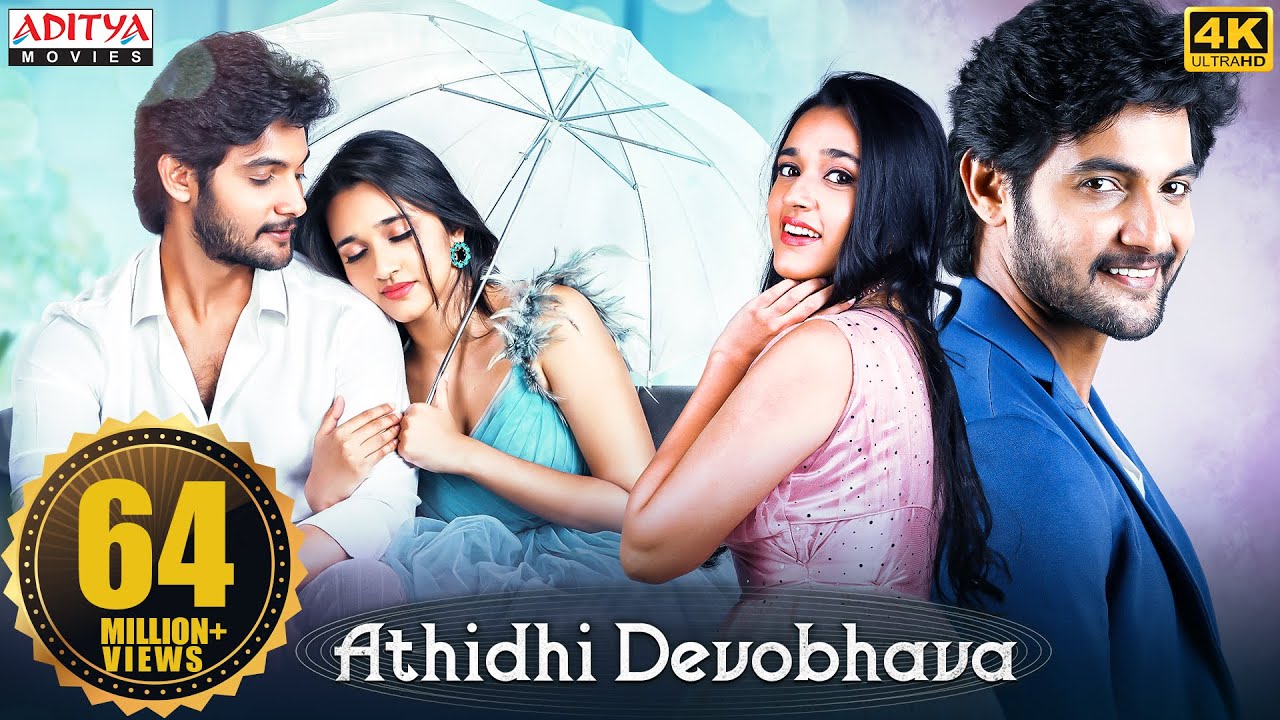
Welcome To Aditya Movies Follow and Enjoy The Latest Hind Dubbed Movie "Athidhi Devobhava" Starring Aadi Saikumar, Nuveksha Exclusively on Aditya Movies.
#athidhidevobhava #aadisaikumar #Hindimovies #nuveksha #shekarchandra #Athidhidevobhavahindimovie #athidhidevobhavahindidubbedmovie #AadiDubbedMovieNew #Athidhidevobhavahindifullmovie #SouthMovie #HindiDubbedMovie #LatestHindiMovies #Newmovies #HindiMovie #DubbedMovie #LatestAdityaMovies #HindiDubbedMovienew #AdityaMovies #HindiDubbedFullMovies #HindiDubbed2022Movies #hindifullMovie2022new #newhindiDubedmovies #hindifullmoviesnew #newhindimovies #Actionhindimovies #latestActionhindubbedmovies #latestactionmoviesnew #actionmoviesnew #dubbedmovies2022 #2022Movies #NewVideo #LatestMovie #LatestDubbedMovie #Movies #HindiFullmovies #01Trending #Superhitmovies #HindiSuperhitmovies #latestmoviesinHindi #Hindidubbednewmoviescenes #Hindimoviescenes #LatestVideo #HindiDubbedmoviescenes #dubbedmoviescenes #latestPromo #newvideo #latestHindiMovie #ComedyScenes
Synopsis:
(Aadi Sai Kumar) suffers from a problem called Mono Phobia. Because of this, he cannot survive alone and always expects someone to be on his side. In this process, he falls in love with (Nuveksha). When everything seems to be going fine, Aadi Sai Kumar's phobia creates new issues in his love story. How does a person with such delicate issues handle his love story? is rest of the story.
Credits:-
Film Name : Athidhi Devobhava
Cast : Aadi Sai Kumar, Nuveksha, Sapthagiri, Naveena Reddy, Rohini
Producer : Ashok Reddy Miryala and Raja Babu Miryala
Director : Polimera Nageshwar
Music : Shekar Chandra
Subscribe to Aditya Movies for all Latest, Popular, Blockbuster & Superhit Hindi Dubbed Videos.
------------------------------------------------------------------
For More Full Movies , Subscribe to:
►https://www.youtube.com/adityamovies
►Like us on Facebook: http://www.facebook.com/adityamovies
►Follow us on Instagram: https://www.instagram.com/adityamovies
For Bhojpuri Full Movies , Subscribe to:
►https://bit.ly/3FkFd27
For Hit & Latest Music:
►https://www.youtube.com/user/adityamusic
►Follow us on Twitter: http://www.twitter.com/adityamusic
►Follow us on LinkedIn: http://bit.ly/2Pp6ze3
For Devotional Music:
►https://www.youtube.com/user/adityadevotional
© 2021 Aditya Movies India Pvt. Ltd.

Despite being homemade, this DIY projector packs a punch! Also, the first 1000 people to use this link will get a 2 month free trial of Skillshare Premium Membership: https://skl.sh/diyperks3
If you enjoy project build guides like this, please consider supporting my work on Patreon: http://www.patreon.com/diyperks
The PDF guide is now available over on the Patreon page: http://www.patreon.com/diyperks
Here are the main components required for this build:
Aluminium: https://rover.ebay.com/rover/1/711-53200-19255-0/1?ff3=4&toolid=11800&pub=5575117832&campid=5337657473&mpre=https%3A%2F%2Fwww.ebay.com%2Fsch%2Fi.html%3F_nkw%3Daluminium%2Bsheet
Threaded rods: https://rover.ebay.com/rover/1/711-53200-19255-0/1?ff3=4&toolid=11800&pub=5575117832&campid=5337657473&mpre=https%3A%2F%2Fwww.ebay.com%2Fsch%2Fi.html%3F_nkw%3Dm6%2Bthreaded%2Brods%2B1m
LED (choose 5600k for pure white): https://store.yujiintl.com/col....lections/led-cobs/pr
OR (cheaper, but larger diameter - choose 100w) https://rover.ebay.com/rover/1/711-53200-19255-0/1?ff3=4&toolid=11800&pub=5575117832&campid=5337657473&mpre=https%3A%2F%2Fwww.ebay.com%2Fitm%2F183184745144
Heatsink: https://rover.ebay.com/rover/1/711-53200-19255-0/1?ff3=4&toolid=11800&pub=5575117832&campid=5337657473&mpre=https%3A%2F%2Fwww.ebay.com%2Fsch%2Fi.html%3F_nkw%3Dcpu%2Bheatsink%2B-laptop%2Btower
Power board: https://rover.ebay.com/rover/1/711-53200-19255-0/1?ff3=4&toolid=11800&pub=5575117832&campid=5337657473&mpre=https%3A%2F%2Fwww.ebay.com%2Fsch%2Fi.html%3F_nkw%3D250w%2BDC%2Bvoltage%2BLED%2Bconstant
Fresnel lenses: https://rover.ebay.com/rover/1/711-53200-19255-0/1?ff3=4&toolid=11800&pub=5575117832&campid=5337657473&mpre=https%3A%2F%2Fwww.ebay.com%2Fsch%2Fi.html%3F_nkw%3D7%2Bdiy%2Bfresnel%2B2
LCD panel + control board: https://rover.ebay.com/rover/1/711-53200-19255-0/1?ff3=4&toolid=11800&pub=5575117832&campid=5337657473&mpre=https%3A%2F%2Fwww.ebay.com%2Fsch%2Fi.html%3F_nkw%3DLCD%2Bmipi%2Bhdmi
4K LCD panel + control board: https://rover.ebay.com/rover/1/711-53200-19255-0/1?ff3=4&toolid=11800&pub=5575117832&campid=5337657473&mpre=https%3A%2F%2Fwww.ebay.com%2Fsch%2Fi.html%3F_nkw%3D5.5%2B3840%2B2160%2Bcuring
Large format camera lenses: https://rover.ebay.com/rover/1/711-53200-19255-0/1?ff3=4&toolid=11800&pub=5575117832&campid=5337657473&mpre=https%3A%2F%2Fwww.ebay.com%2Fsch%2Fi.html%3F_nkw%3Dlarge%2Bformat%2Blens%2B%26_sop%3D15
How to make your own front-surface mirror: https://www.youtube.com/watch?v=IaEaaeajCSI
Video on powering LEDs: https://youtu.be/Y06VHj1GvLI?t=609
OFFICIAL LINKS:
Support me on Patreon: https://www.patreon.com/DIYPerks/
Official Website: https://www.diyperks.com/
Discord: https://diyperks.com/discord-server/
Forums: https://diyperks.com/community/
Twitter: https://twitter.com/DIYPerks

Akshaya and Masha, two fraudsters, learn about the existence of a magical vessel from an old lady. Soon, they set out to acquire it for themselves and face various challenges along the way.
Movie:- Jackpot
Starcast:- Jyothika, Revathi, Yogi Babu, Anandaraj
Creative Producer:- Manish Shah
Directed by:- Kalyaan
Music by:- Vishal Chandrasekhar
#Jackpot # Jyothika #Revathi #YogiBabu #Goldmines
------------------------------------
For More Movies
Subscribe:@https://www.youtube.com/GoldminesTelefilms
Follow Us On
Facebook:@https://www.facebook.com/Offic....ialGoldminesTeleFilm
Instagram:
https://www.instagram.com/offi....cialgoldminestelefil
Twitter:
https://twitter.com/GTelefilms

बॉर्डर (4K) - Border Full Movie - Sunny Deol - Suniel Shetty
Watch Border Full Movie in 4K Quality Starring Sunny Deol, Suniel Shetty, Akshaye Khanna, Jackie Shroff, Puneet Issar, Tabu, Pooja Bhatt, Raakhee, Sharbani Mukherjee, Sudesh Berry, Amrit Pal.
Music: Anu Malik
Producers: J. P. Dutta, Bhanwar Singh
Director: J. P. Dutta
Chapters -
00:00 Start
14:40 Sunny Deol takes up command of a company
41:48 Akshaye Khanna recalls meeting Pooja Bhatt
47:07 Humein Jab Se Mohabbat Song
1:04:36 Aye Jaate Huye Lamhon Song
1:26:28 Sunny Deol shouts at Sudesh Berry
1:33:33 Sandese Aate Hai Song
2:05:06 Border Climax Scene
#sunnydeol #border #bollywoodpremium
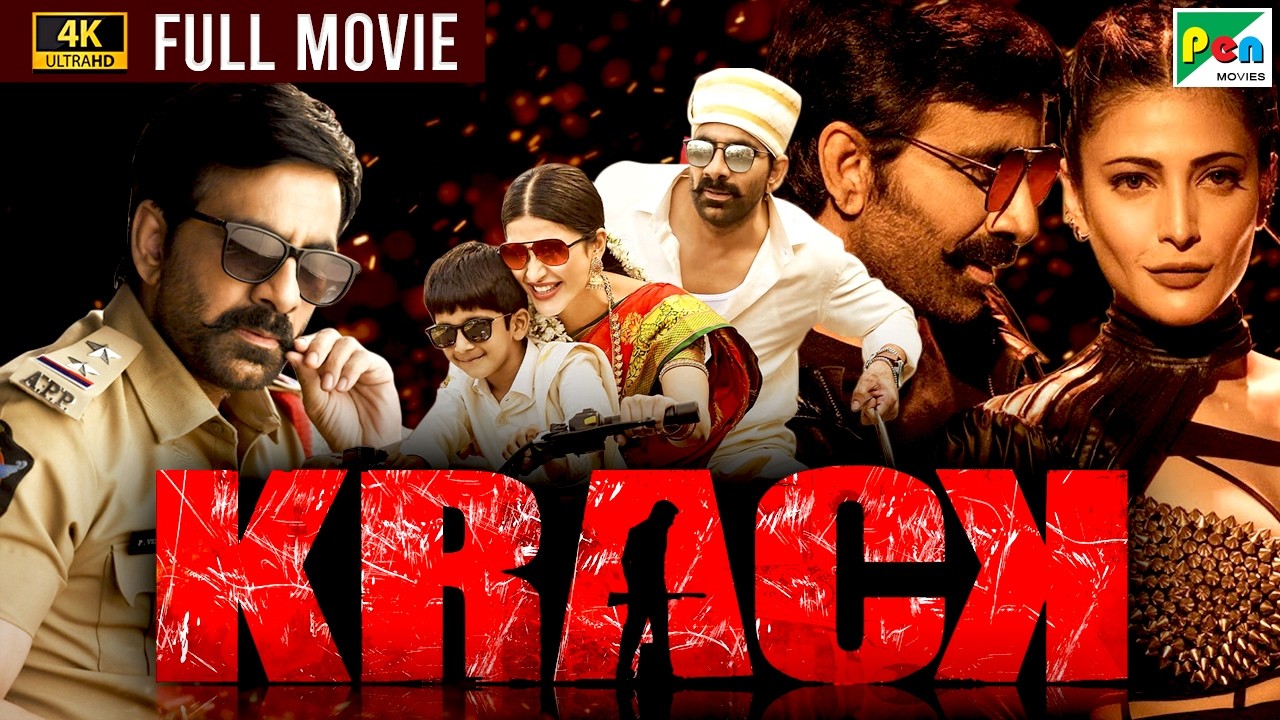
Krack (4K) | New Released Full Hindi Dubbed Movie 2022 | Ravi Teja, Shruti Haasan, Samuthirakani
When three notorious criminals lock horns with a hot-tempered police officer, Potharaju Shankar, little do they know that they will end up behind bars.
#Krack #RaviTeja #ShrutiHaasan
Enjoy Super Hit 4K Movies Collection :-
Pralay The Destroyer: https://youtu.be/Tmd__luCPu0
Aravind Sametha: https://youtu.be/4jtbe0I1e1c
Tholi Prema: https://youtu.be/J4nBcaYMuI4
For your favorite Bollywood Movies, Subscribe now:
http://bit.ly/2VXistY
SUBSCRIBE for the best Bollywood clips, movies and scenes all in your PEN Multiplex channel
http://bit.ly/2QxELp3
For your favorite Gujarati Movies, Subscribe now: http://bit.ly/2VZm9Q6
For Action-Packed Movies, Click on the below link now...
Pen Action: http://bit.ly/2XaSS6t
Download our App for latest news & gossips: http://bit.ly/2HHJstA
Log On To Our Official Website: http://penindia.in/
Enjoy & stay connected with us!
Like us on Facebook: https://www.facebook.com/PenMovies
Follow us on Twitter: https://twitter.com/penmovies
Follow us on Instagram: https://www.instagram.com/penmovies

Thanks so much for checking out this month's blu-ray & 4K movie haul. I hope you find some titles to add to your physical media collection. Look for Pt. 2 in a few days. Enjoy!!
#bluray #4K #movies #reviews #October2021
SUBSCRIBE HERE: https://goo.gl/Dvambk
Let's Hang Out on Social Media:
LETTERBOXD: https://boxd.it/y8s7INSTAGRAM : http://instagram.com/moviechatter_
TWITTER : http://www.twitter/stephneighbour
*Affiliate links are a way for you to help support my channel. Using these links for your shopping can provide me with a small commission. The best part is, it costs you NOTHING!*
You're free to use this song and monetize your video, but you must include the following in your video description:
Cold Funk - Funkorama by Kevin MacLeod is licensed under a Creative Commons Attribution license (https://creativecommons.org/licenses/by/4.0/)
Source: http://incompetech.com/music/r....oyalty-free/index.ht
Artist: http://incompetech.com/

Yatra Latest Hindi Full Movie 4K | Mammootty | YSR Biopic | Anasuya | 2022 South Hindi Dubbed Movies
Yatra Latest Hindi Full Movie 4K on Mango Indian Films. #Yatra Movie ft. Mammootty as YSR / YS Rajasekhara Reddy. Directed by Mahi V Raghav and Music Composed by K. Produced by Vijay Chilla & Shashi Devireddy under 70MM Entertainments banner. #YatraFullMovie #Mammootty #YSR #MahiVRaghav #Mammukka #MangoIndianFilms
Yatra movie also ft. Jagapathi Babu, Suhasini Maniratnam, Rao Ramesh, Anasuya, Posani Krishna Murali, Vinod Kumar and Sachin Khedekar in supporting roles.
Synopsis :
A renowned Indian politician embarks on a 900-mile walking tour and interacts with his followers as part of his election campaign.
Click Here To Watch:
Subscribe For More Telugu Movies: https://bit.ly/2JlcuwL
Subscribe For More Tamil Movies: https://bit.ly/2uiMqxM
Subscribe For More Hindi Movies: https://bit.ly/2L6v1lu
Subscribe For More Malayalam Movies: https://bit.ly/2KR8No9
Happy Watching!

Come check out my latest 4K Movie Review of this classic 90s slasher "I Know What You Did Last Summer" and find out if this release from Sony is worth your time and money!
.
.
Movie Talk - 01:52
Transfer Talk - 09:39
.
.
Purchase Link - https://www.amazon.com/Know-What-Last-Summer-Anniversary/dp/B0B5RYNL4D/ref=mp_s_a_1_1_sspa?crid=35BN0AIKO48FA&keywords=i+know+what+you+did+last+summer+4k&qid=1664916910&qu=eyJxc2MiOiIxLjE3IiwicXNhIjoiMC40NSIsInFzcCI6IjAuMzEifQ%3D%3D&sprefix=i+know+%2Caps%2C179&sr=8-1-spons&psc=1&spLa=ZW5jcnlwdGVkUXVhbGlmaWVyPUFUUFhKN1dGOVU2MlcmZW5jcnlwdGVkSWQ9QTA3MzE1MDUzNk5PN0E2WU81UVdOJmVuY3J5cHRlZEFkSWQ9QTA5MDAwNjUyNkI5NTVQSjRRU0JKJndpZGdldE5hbWU9c3BfcGhvbmVfc2VhcmNoX2F0ZiZhY3Rpb249Y2xpY2tSZWRpcmVjdCZkb05vdExvZ0NsaWNrPXRydWU=
.
.
Send Mail To⬇️
Kenny Vetter
PO Box 91973
Louisville KY, 40291
.
.
SUBSCRIBE TO MARRIED WITH MEDIA!⬇️
https://m.youtube.com/channel/....UCrnajDRZi63QWNsgDRj
.
.
Ways to Support Channel⬇️
Pay Pal Me - https://www.paypal.com/paypalm....e/midlevelmedia?loca
.
.
Instagram➡️ https://www.instagram.com/midlevelmoviereviews/
https://www.instagram.com/midlevelmedia/
Twitter➡️
https://mobile.twitter.com/MidLevelReviews
LETTERBOX➡️https://letterboxd.com/midlevelmr/
.
#iknowwhatyoudidlastsummer #Sony #4kreview