Latest videos

Rihanna, Adele, The Weeknd, Dua Lipa, Maroon 5, Miley Cyrus, Ed Sheeran 🌟 Música Pop En Inglés 2024💖
Rihanna, Adele, The Weeknd, Dua Lipa, Maroon 5, Miley Cyrus, Ed Sheeran 🌟 Música Pop En Inglés 2024💖
https://www.youtube.com/channe....l/UCXSoMOeF6exiwVIJ2
#MúsicaPopEnInglés, #Billboardhot100, #topsongs
=========================================
¡Bienvenidos a 'Pop Music'! 💖💖💖
💖 Disfruta de lo mejor del pop en inglés con The Weeknd, Maroon 5, Miley Cyrus, Adele, Ed Sheeran, Bruno Mars, y Dua Lipa en este playlist del 2024! Una colección de éxitos que no te puedes perder.
🎵 ¡Hola y bienvenido al canal "Pop Music"! Aquí es donde podrás disfrutar de la diversidad y riqueza del mundo de la música pop a través de los mejores éxitos.
🎵 Acompañando a "Pop Music", siempre estarás al día con las últimas tendencias musicales, conocerás artistas talentosos y te sumergirás en un colorido espacio musical.
🎵 Suscríbete al canal para no perderte ningún éxito y comparte con nosotros nuestra pasión por las mejores melodías del mundo de la música pop.
=========================================
¡Gracias por ver! ¡No olvides SUSCRIBIRTE, darle Me Gusta y Compartir mi video si lo disfrutas! ¡Que tenga un lindo día!https://www.youtube.com/channe....l/UCXSoMOeF6exiwVIJ2
💟 Envíe un correo electrónico aquí: [email protected]
💟 No olvides ME GUSTA - COMPARTIR - COMENTAR
💟 Disfruta de otros álbumes de música pop en inglés aquí
💟 Por favor no copie de ninguna forma
🔔 Gracias por todo
=========================================
📷 Video Storyblocks.com
📷 Video Envato.com
📷 Video Shutterstock.com

The Top Christmas Songs of All Time playlist! This best Christmas Music playlist features all of the best Christmas songs you know and love! The best Christmas Playlist / Christmas Music mix for any occasion! We wish you a Merry Christmas 2024!
It's that time of year again! Christmas is quickly approaching, and what better way to celebrate than with some top Christmas songs? In this playlist, you'll find some of the best Christmas music out there, perfect for getting you in the mood for the holiday season! From classic Christmas carols to modern Christmas hits, this playlist has everything you need to get into the holiday spirit!
Top Christmas Songs Playlist 2024 / Top Christmas Music Playlist 2023 - The best Christmas Pop Songs Playlist / Pop Christmas Songs Playlist on the web! This Clean Christmas Music Playlist / Clean Christmas Songs Playlist is the perfect Christmas Playlist for School / Christmas Playlist for Classroom!
Top Christmas Songs Playlist 2024 / Top Christmas Music Playlist 2024 / Merry Christmas 2024
#Christmas #ChristmasSongs #ChristmasMusic #ChristmasPlaylist #ChristmasSongsPlaylist #TopChristmasSongs #TopChristmasSongsPlaylist #ChristmasSongs2024 #ChristmasMusicPlaylist #popchristmassongs
[ christmas songs,christmas music,merry christmas,best christmas songs of all time,top christmas songs of all time,top 100 christmas songs,top 100 christmas songs of all time,christmas songs playlist,best christmas songs,christmas playlist,classic christmas songs,christmas songs medley,christmas songs 2024,top christmas songs,christmas songs 2024 ]

Best Of Arijit Singh 2024 | Arijit Singh Hits Songs | Arijit Singh Jukebox Songs | Indian Songs
► Better Sound Quality Experience Please Use Headphones.🎧
► https://youtu.be/UnGScqpuyWs
► Songs & Video Making :- Dj Ajay Raniganj
___________________________________________
► FOLLOW ON ME :
YOUTUBE :-https://youtube.com/@ABTLofiMusic
FACEBOOK:-https://www.facebook.com/AjayThapa
INSTAGRAM:-https://www.instagram.com/djajayraniganj
___________________________________________
► Any Copyright Issues : -
If you think our videos have used your music, background music and background videos without your permission, please contact us. We will delete our video. Please do not copyright Strike the video. Please Message me. 🙏🙏
Mail :- [email protected]
DISCLAIMER: This Following Audio/Video is Strictly meant for Promotional Purpose. We Do not Wish to make any Commercial Use of this & Intended to Showcase the Creativity Of the Artist Involved.
The original Copyright(s) is (are) Solely owned by the Companies/Original-Artist(s)/Record-label(s).All the contents are intended to Showcase the creativity of the artist involved and are strictly done for promotional purpose.
DISCLAIMER: As per 3rd Section of Fair use guidelines Borrowing small bits of material from an original work is more likely to be considered fair use. Copyright Disclaimer Under Section 107 of the Copyright Act 1976, allowance is made for fair use.
__________________________________________
► Your Queries :-best of arijit singh, arijit singh best song, arijit singh, arijit singh best songs, best of arijit singh 2022, best of arijit singh song, arijit singh status, best of arijit singh songs, best songs of arijit singh, arijit singh latest songs, best of arijit singh mashup, arijit singh live song, arijit singh 2019, arijit singh live, arijit singh 2023, arijit singh 2022, arijit singh love songs, arijit singh songs, arijit singh music, arijit singh song statusarijit singh jukebox, latest bollywood arijit singh hindi jukebox, best of arijit singh, arijit singh best song, arijit singh best songs, best of arijit singh 2022, best of arijit singh 2023, arijit singh, arijit singh latest songs, best of arijit singh songs, arijit singh status, best of arijit singh mashup, arijit singh ke gaane, arijit singh live song, arijit singh love songs, arijit singh 2019, arijit singh live, arijit singh 2018, arijit singh 2023arijit singh songs collection, arijit singh collection 2019, arijit singh all songs, arijit singh songs, arijit singh all song, songs of arijit singh, arijit singh non stop songs, nonstop arijit singh songs, arijit singh songs new, arijit singh new songs, arijit singh sad songs, arijit singh hit songs, arijit singh top songs, arijit singh romantic songs, romantic songs collections, arijit singh song, arijit singh love songs, arijit singh songs 2021arijit singh ew song, arijit singh new song, new arijit singh song, arijit singh song, arijit singh new songs, arijit singh songs new, arijit singh songs, arijit singh new song 2023, arijit singh new song 2024, arijit sing new songs, arijit singh sad song, arijit singh new songs 2023, arijit singh new songs 2024, arijit singh all songs, arijit singh live song, arijit singh sad songs, arijit singh best song, arijit singh love song, arijit singh, arijitisinghnewsongs2023arijit singh, #arijitsingh, arijit singh live, arijit singh 2023, arijit singh song, arijit singh hits, arijitsinghlive, arijit singh songs, arijit singh sajni, sajni arijit singh, best of arijit singh, shayad arijit singh, arijit singh shorts, arijit singh new song, arijit singh ke gaane, new arijit singh song, arijit singh all song, soulful arijit singh, sohneya arijit singh, arijit singh sad song, arijit, arijit singh live song, arijit singh all songsarijit singh non stop songs, arijit singh nonstop songs, best of arijit singh songs, arijit singh songs, songs arijit singh, arijit singh songs list, arijit singh song status, top 10 sad songs of arijit singh, best songs of arijit singh, arijit singh latest songs, best of arijit singh hindi songs, arijit singh all songs, arijit singh songs new, arijit singh new songs, arijit singh best song, arijit singh sad songs, new songs arijit singh, arijit singh hit songs
slowed reverb arijit singh, arijit singh slowed and reverb, arjit singh slowed reverb songs, hamdard slowed and reverb arijit singh songs, har kisi ko arijit singh songs slowed and reverb, arijit singh love songs, slowed reverb song, slowed + reverb, tum hi ho arijit singh slowed, slowed and reverb songs, arijit singh songs, naina slowed reverb, slowed reverb, heart touching slowed and reverb songs, new slowed and reverb songs, love song slowed and reverbarijit singh romantic songs, arijit singh romantic song, arijit singh songs, romantic songs, romantic hindi songs, hindi romantic songs, songs by arijit singh, songs of arijit singh, arijit singh new songs, arijit singh all songs
#abtlofimusic #arijitsingh

Summer songs to dance ~ Best songs that make you dance
💞 Donate for A.C Vibes:
▪ https://bit.ly/acvibes0210
▪ https://www.buymeacoffee.com/daisy0210
🎵 Spotify Playlist
Songs make you dance: https://spoti.fi/3MTKPFV
Summer Songs: https://spoti.fi/3WTFJ0Y
Childhood Songs: https://spoti.fi/3NeihbG
Sing Out Loud: https://spoti.fi/45LcQIy
Start Your Day: https://spoti.fi/461Yq7d
Party Music Mix: https://spoti.fi/3OZgFnG
🙏 Thank you for watching. Don't forget to LIKE - SUBSCRIBE - COMMENT - SHARE & Turn on notifications (press 🔔) to stay updated with new uploads. [https://bit.ly/3hNJKEo]
📸 https://www.instagram.com/kenachock/
▶ Do not reup
▶ All copyright issues, please contact by mail: [email protected]
_____________________________________
#ACvibes #dancesongs #summersongs
Video keywords: "A.C Vibes" "chill music" "chill songs" "rnb mix" "top hits" "pop music" "pop hits" "english songs" "dancing in my room" "happy chill song" "morning music" "songs make you feel better" "songs make you smile" "energy healing" "relaxing music" "happy song" "happy song playlist" "music mix" "party songs" "popular songs" "best music" "songs make you dance" "playlist of songs to dance to" "playlist of songs that make you dance" "party music" "party music mix" "songs to put you in a good mood" "songs for a better mood" "good mood music" "good mood songs" "dancing" "happy music" "dance to a happy place music video" "dance songs" "happy morning music" "dance party" "happy songs" "nostalgia" "a playlist of songs that'll make you dance" "mood booster" "feel good" "feeling good" "songs to sing" "songs to sing in the shower" "songs to sing in the car" "popular songs" "trending music" trending songs" "dance" "tiktok" "tiktok playlist" "tiktok songs" "tiktok songs playlist" "playlist of songs that'll make you dance" "best dance songs playlist" "dancing"

New Year Music Mix 2025 ♫ Best Music 2024 Party Mix ♫ Remixes of Popular Songs
🎄 Listen on Spotify:
https://sndl.ink/soundlink/OgVZZ6FXvm2T2dRYOSFRM
🎄 Immerse yourself in the joyful and spirited atmosphere of Christmas as we present a carefully curated selection of the best Christmas songs from various eras.
"We Wish You A Merry Christmas" and other timeless classics come together to create a harmonious blend of holiday cheer. Whether you're preparing for a festive gathering, decorating your home, or simply enjoying the magic of Christmas, our playlist is designed to add the perfect musical touch to your celebrations.
🎅 Experience the magic of the season with melodies that have stood the test of time and continue to bring joy to hearts around the world. From traditional carols to contemporary hits, our compilation captures the essence of Christmas, making it a memorable and heartwarming experience for everyone.
---------------------------------------------------------------------------------
👉 Merry Christmas to all the music lovers. This playlist is perfect for setting the mood for the holiday season and includes all the Christmas songs you know and love. Enjoy!
May the magic of Christmas fill your heart with warmth and love. Merry Christmas!
👉 Follow me:
💌 Contact:
---------------------------------------------------------------------------------
#christianmusic #merrychristmas #christmasmedley #christmassongs #feliznavidad
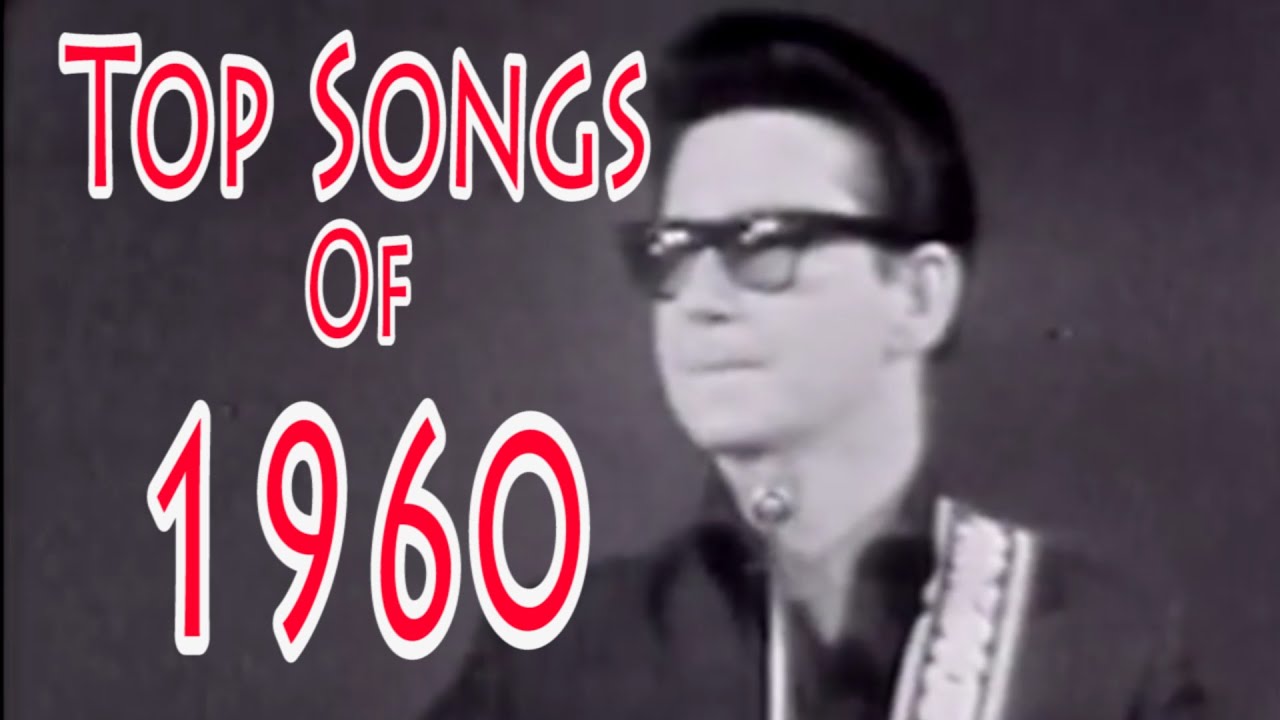
1 Theme from A Summer Place - Percy Faith
2 He'll Have to Go - Jim Reeves
3 Cathy's Clown - The Everly Brothers
4 Running Bear - Johnny Preston
5 Teen Angel - Mark Dinning
6 I'm Sorry - Brenda Lee
7 It's Now or Never - Elvis Presley
8 Handy Man - Jimmy Jones
9 Stuck on You - Elvis Presley
10 The Twist - Chubby Checker
11 Everybody's Somebody's Fool - Connie Francis
12 Wild One - Bobby Rydell
13 Greenfields - The Brothers Four
14 What in the World's Come Over You - Jack Scott
15 El Paso - Marty Robbins
16 Alley Oop - The Hollywood Argyles
17 My Heart Has a Mind of Its Own - Connie Francis
18 Sweet Nothin's - Brenda Lee
19 Itsy Bitsy Teenie Weenie Yellow Polka Dot Bikini - Brian Hyland
20 Only the Lonely - Roy Orbison
21 Where or When - Dion and the Belmonts
22 Sixteen Reasons - Connie Stevens
23 Puppy Love - Paul Anka
24 Why - Frankie Avalon
25 Walk, Don't Run - The Ventures
26 Save the Last Dance for Me - The Drifters
27 Baby (You've Got What It Takes) - Dinah Washington & Brook Benton
28 Sink the Bismarck - Johnny Horton
29 Chain Gang - Sam Cooke
30 Let It Be Me - The Everly Brothers

It’s been over a year since I last made a list like this so I decided to give it an update. I also decided to make this an annual list. The top 100 songs that I believe the most people in the world will recognize. I looked at charts, streams, sales, and overall pop culture relevance but at the end of the day, this is all just my opinion (which makes this list even more correct).
No Christmas songs, children’s songs, classical music, or film scores were included as that would take up 90% of the list and make it boring.
Spotify playlist: https://open.spotify.com/playlist/50ozhW6x8mS6r64G4Dru0c?si=5g86KH9nSOmyBnrC8UkbRA&pi=u-G6q8mcW6Sxab
Thumbnail: https://youtube.com/@Queen?si=vQYckgvP5U9G_4_E
Top 100 Most Recognizable Songs of All Time (2024 version)
#music #songs #top100

#2000smusic #2000snostalgia #2000sthrowbacks
Listen on Spotify: https://sptlnk.com/2000s_nostalgia
Help me to get 100.000 subs: https://www.youtube.com/channe....l/UCBepjMYiqtq_u4ZFO
nostalgia playlist: https://www.youtube.com/watch?v=Vpb8sDpttOY&list=PLBKqHs5LAsicE2Zeup5GBua1nBY_KIUXs
Throwback Vibes Playlist: https://www.youtube.com/watch?v=fpdgYC9NY5o&list=PLBKqHs5LAsieDqvbRaNrUyOpam0dhAdzv

1 The First Time Ever I Saw Your Face - Roberta Flack
2 Alone Again (Naturally) - Gilbert O'Sullivan
3 American Pie - Don McLean
4 Without You - Harry Nilsson
5 The Candy Man - Sammy Davis, Jr.
6 I Gotcha - Joe Tex
7 Lean on Me - Bill Withers
8 Baby, Don't Get Hooked on Me - Mac Davis
9 Brand New Key - Melanie
10 Daddy Don't You Walk So Fast - Wayne Newton
11 Let's Stay Together - Al Green
12 Brandy (You're a Fine Girl) - Looking Glass
13 Oh Girl - The Chi-Lites
14 Nice to Be with You - Gallery
15 My Ding-a-Ling - Chuck Berry
16 (If Loving You Is Wrong) I Don't Want to Be Right - Luther Ingram
17 Heart of Gold - Neil Young
18 Betcha by Golly, Wow - The Stylistics
19 I'll Take You There - The Staple Singers
20 Ben - Michael Jackson
21 The Lion Sleeps Tonight - Robert John
22 Outa-Space - Billy Preston
23 Slippin' Into Darkness - War
24 Long Cool Woman in a Black Dress - The Hollies
25 How Do You Do - Mouth & MacNeal
26 Song Sung Blue - Neil Diamond
27 A Horse with No Name - America
28 Popcorn - Hot Butter
29 Everybody Plays the Fool - The Main Ingredient
30 Precious and Few - Climax

For more latest songs & videos, subscribe 👉 https://bit.ly/Saregama_Telugu
Ready to shake it up with some high voltage? Presenting you Dhop Lyrical Song from Game Changer.
Game Changer is an Upcoming 2025 Movie Starring Global Star Ram Charan, Kiara Advani, Anjali, Samuthirakani, SJ Surya, Srikanth, Sunil and others. Directed by Shankar. Produced by Dil Raju, Shirish and Adityaram, under the banners Sri Venkateswara Creations and Zee Studios. Music composed by Thaman S.
GRAND RELEASE WORLDWIDE ON JANUARY 10th, 2025.
#DhopLyricalSong #GameChanger #RamCharan #KiaraAdvani #ThamanS #Shankar #DilRaju #RoshiniJKV #Prudhvi #SruthiRanjani #RamaJogayyaSastry #Dhop #DhopTeluguSong #GameChangerSongs #TeluguSongs2024
A High-Octane Musical treat driven by the Vocals of Thaman S, Roshini JKV, Prudhvi & Sruthi Ranjani Modumudi. Music Composed by Thaman S. Lyrics Penned by Saraswati Putra Ramajogayya Sastry.
Song Details:
Song Name: Dhop
Singers: Thaman S, Roshini JKV, Prudhvi & Sruthi Ranjani Modumudi
Lyrics: Saraswati Putra Ramajogayya Sastry
Programmed & Arranged by Thaman S
Drum & Beat EDM Works: Beyond Sound (T)
Electronic vocal samples produced by Thaman S
Additional Programming: Siddhant Mishra & Osho V
Electric Violin: Sandilya (HYD)
Guitars: Jobin (MUM)
28Orchestra Brass recorded @Studio28 Bangkok,
Macedonian Symphonic Orchestra,
Fame’s: Orchestral Music Recording,
Contractor: Fame’s Macedonian,
Orchestra Coordinator: Andrew T. Mackay / Bohemia Junction Limited.
Jathi Vocals: Trivandrum Balaji
Additions on Dhop Vocal: Sruthi Ranjani
Backing Vocals: Sruthi Ranjani, Manisha, Harika, Sahithi, Adviteeya, Roshini JKV
Recorded At Prasad Studios (Hyd), V Studios (Chn) By Osho V & Hari
Vocal Supervision: Adviteeya Vojjala
Mouth organ: Kabuli (Chn)
Mix and Mastered by Abhishek Khandelwal @ YRF (Mumbai)
Assisted by - Dileep Nair
Musicians Co Ordinator: Manikandan K
Studio Manager: Seenu & Sridhar
Studio Assistance: Raju, Kannan, Lingam & Pawan
VFX Team (Dhop Song):
VFX Studio: Maadfam Studios
Founder & CEO: Suchit Mukherjee
Creatives & VFX Supervisor: Subroto Jalui
Head of Production: Shailesh Gautam
Studio Manager & Business Analyst: Sebian Mendonca
Movie Credits:
Director - Shankar
Producers - Raju, Shirish, Zee Studios
Tamil Producers: SVC, Adityaram
Cast - Ram Charan, Kiara Advani, Anjali, Samuthirakani, S J Surya, Srikanth, Sunil
Writer - Vivek
Story Line - Karthik Subbaraj
Co-Producer - Harshith
DOP - S Thirunavukkarasu
Music - Thaman S
Dialogues - Sai Madhav Burra
Executive Producer: SK Zabeer
Line Producer - N Narasimha rao
Art Director - Avinash Kolla, Rama Krishna, Monika
Action Choreographer - Anbariv
Dance Choreographers - Prabhudeva, Ganesh Acharya, Prem Rakshith, Bosco Leslie Martis, Jani, Sandy
Lyricists - Ramajogaiah Sastry, Ananta Sriram, Kasarla Shyam
Editors – Ruben, Shameer Muhammed
Sound Designer - T Uday Kumar
DI: Annapurna Studios
Colorist: Ashwath S
North PR: Communique Film PR (Sharlene Batlivala, Alpa Turakhia)
South PR: Beyond Media(Surendra Kumar, Phani Kandukuri), Satish( AIM)
Marketing: Marketing Director Varun Gupta( Max Marketing), TicketFactory(Akhilesh Vardhan, Suneeth Padolkar)
Zee Team
Saregama Team
Hindi Distribution By: AA Films
Overseas By: Shloka Entertainments
Assistant Editors:
Rahul R Manchery
Meganathan
Nithish Kumar V
Lyrics:
Pallavi :
Whakka wacka wacka wacka whatsay dhop
Laka laka laka laka lets say dhop
Happy Happy life-ku micro mantra dhop
Loved ones upset ayye argument dhop
Always nuvve loser ayye anger dhop
Enthalaanti stress-ku instantsolution dhop
Don’t worry don’t worry enough of injury
negative vibe-ki cheppey dhop
Bakery bakery ayyayyo calorie
teddy bear tummy ki cheppey thop
Chattery browzery time anthaa robbery
chaesae cell phone ku cheppey dhop
Disturbing memory ego and jealousy
overthink himsaku just say dhop
Stanza :
If you’re coming you’re coming everybody dhop
When you’re with me you’re with me everything is dhop
If you look at me look at me stress anthaa dhop
When you smile at me myself-eh dhop
Mana meeting ku meeting ku interval dhop
Mana touching ku touching ku hesitation dhop
Mana lipppuku lippuku distance-u dhop
Naa villain nee dress-ukku dhop
Label: Saregama India Limited, A RPSG Group Company
To buy Carvaan, visit https://www.saregama.com/carvaan/telugu
To buy virus free original tracks, visit https://www.saregama.com/musicstore
Follow us on: YouTube: @saregamasouth
Facebook: http://www.facebook.com/Saregamatelugu
X: https://twitter.com/saregamasouth
#RamCharan #Shankar #ThamanS #GameChanger #SaregamaTelugu

1 To Sir With Love - Lulu
2 The Letter - The Box Tops
3 Ode to Billie Joe - Bobbie Gentry
4 Windy - The Association
5 I'm a Believer - The Monkees
6 Light My Fire - The Doors
7 Somethin' Stupid - Frank & Nancy Sinatra
8 Happy Together - The Turtles
9 Groovin' - The Young Rascals
10 Can't Take My Eyes off You - Frankie Valli
11 Little Bit O' Soul - The Music Explosion
12 I Think We're Alone Now - Tommy James and the Shondells
13 Respect - Aretha Franklin
14 I Was Made to Love Her - Stevie Wonder
15 Come Back When You Grow Up - Bobby Vee
16 Kind of a Drag - The Buckinghams
17 Sweet Soul Music - Arthur Conley
18 Expressway to Your Heart - The Soul Survivors
19 Soul Man - Sam & Dave
20 Never My Love - The Association
21 Apples, Peaches, Pumpkin Pie - Jay & the Techniques
22 Come on Down to My Boat - Every Mother's Son
23 Incense and Peppermints - Strawberry Alarm Clock
24 Ruby Tuesday - The Rolling Stones
25 It Must Be Him - Vikki Carr
26 Love Is Here and Now You're Gone - The Supremes
27 For What It's Worth - Buffalo Springfield
28 Gimme Little Sign - Brenton Wood
29 The Happening - The Supremes
30 All You Need Is Love - The Beatles

See the full UK Top 100 singles, published Fridays 5.45pm: https://www.officialcharts.com..../charts/singles-char
This week...
⬆️ @GracieAbramsis BACK at the top with That’s So True for a sixth (!) week
⬆️ @LolaYoungggviral breakout hit Messy (3) vaults into Top 5 for the first time, earning a new chart peak
Don't forget to subscribe! http://bit.ly/1JdKTq9
Learn more about the Official Charts: https://www.officialcharts.com/
Follow us on social media:
https://www.tiktok.com/@officialukcharts
https://instagram.com/officialcharts
https://twitter.com/officialcharts
https://facebook.com/officialcharts

New Year Music Mix 2025 ♫ Best Music 2024 Party Mix ♫ Remixes of Popular Songs
🎄 Listen on Spotify:
https://sndl.ink/soundlink/OgVZZ6FXvm2T2dRYOSFRM
🎄 Immerse yourself in the joyful and spirited atmosphere of Christmas as we present a carefully curated selection of the best Christmas songs from various eras.
"We Wish You A Merry Christmas" and other timeless classics come together to create a harmonious blend of holiday cheer. Whether you're preparing for a festive gathering, decorating your home, or simply enjoying the magic of Christmas, our playlist is designed to add the perfect musical touch to your celebrations.
🎅 Experience the magic of the season with melodies that have stood the test of time and continue to bring joy to hearts around the world. From traditional carols to contemporary hits, our compilation captures the essence of Christmas, making it a memorable and heartwarming experience for everyone.
---------------------------------------------------------------------------------
👉 Merry Christmas to all the music lovers. This playlist is perfect for setting the mood for the holiday season and includes all the Christmas songs you know and love. Enjoy!
May the magic of Christmas fill your heart with warmth and love. Merry Christmas!
👉 Follow me:
💌 Contact:
---------------------------------------------------------------------------------
#christianmusic #merrychristmas #christmasmedley #christmassongs #feliznavidad

PRESENTING THE FULL VIDEO SONG 'MILLIONAIRE' BY YO YO HONEY SINGH, FROM THE MOST AWAITED ALBUM OF THE YEAR 'GLORY'.
GULSHAN KUMAR & T-SERIES PRESENTS
BHUSHAN KUMAR'S 'MILLIONAIRE'
#YOYOHONEYSINGH #MILLIONAIRE #GLORY
MAKE YOUR SHORTS ON "MILLIONAIRE" NOW👉 https://youtube.com/source/yleXPEPJIgI/shorts
♪Full Song Available on♪
JioSaavn: https://bit.ly/3Mgrwa4
Spotify: https://bit.ly/3yQNqxs
Hungama: https://bit.ly/47dulm9
Apple Music: https://bit.ly/4fVLQer
Gaana: https://bit.ly/4fTnPEX
Amazon Prime Music: https://bit.ly/3X0MNcT
Wynk: https://bit.ly/4cIGPTA
YouTube Music: https://bit.ly/473h7Il
SONG CREDITS:
CAST - YO YO HONEY SINGH & HEERA SOHHAL
SINGER: YO YO HONEY SINGH
MUSIC PRODUCER: YO YO HONEY SINGH
PRIMARY LANGUAGE(S): PUNJABI & ENGLISH
GENRE: HIP HOP / RAP
LYRICS WRITER: LEO GREWAL
MUSIC COMPOSER: YO YO HONEY SINGH
RECORDED AT MOSIQI STUDIOS AND LPME STUDIOS, DUBAI.
MASTERED BY - HOMMIE DILLIWALA
MIXING BY - VINOD VERMA
MUSIC LABEL - T-SERIES
DIRECTOR : TEJI SANDHU
DOP : SIMON STOLLAND
PRODUCTION :TEN PLUS ONE PRODUCTION UK
YYHS STYLING- AKANKSHA BHAKOO
MUA - JIND KAUR AND TRIPTI
ASSISTANT DIRECTOR: KARANDEEP SINGH AND SOURAV DHEER
EDIT : SAMUEL MATON
COLOURIST: MISHA KIM
LINE PRODUCER - MANDEEP HUNDAL
DIGITAL STRATEGY : RAJDEEP MAYER
DIGITAL MARKETING & PROMOTIONS : RDM MEDIA
Download Song Beat: https://bit.ly/3Cjh24R
___________________________________
Enjoy & stay connected with us!
👉 Subscribe to T-Series: https://youtube.com/tseries
👉 Like us on Facebook: https://www.facebook.com/tseriesmusic
👉 Follow us on X: https://twitter.com/tseries
👉 Follow us on Instagram: https://instagram.com/tseries.official

1 Sugar, Sugar - The Archies
2 Aquarius/Let the Sunshine In - The 5th Dimension
3 I Can't Get Next to You - The Temptations
4 Honky Tonk Women - The Rolling Stones
5 Everyday People - Sly & the Family Stone
6 Dizzy - Tommy Roe
7 Hot Fun in the Summertime - Sly & the Family Stone
8 I'll Never Fall in Love Again - Tom Jones
9 Build Me Up Buttercup - The Foundations
10 Crimson and Clover - Tommy James and the Shondells
11 One - Three Dog Night
12 Crystal Blue Persuasion - Tommy James and the Shondells
13 Hair - The Cowsills
14 Too Busy Thinking About My Baby - Marvin Gaye
15 Love Theme from Romeo and Juliet - Henry Mancini
16 Get Together - The Youngbloods
17 Grazing in the Grass - The Friends of Distinction
18 Suspicious Minds - Elvis Presley
19 Proud Mary - Creedence Clearwater Revival
20 What Does It Take (To Win Your Love) - Jr. Walker & The All Stars
21 It's Your Thing - The Isley Brothers
22 Sweet Caroline - Neil Diamond
23 Jean - Oliver
24 Bad Moon Rising - Creedence Clearwater Revival
25 Get Back - The Beatles with Billy Preston
26 In the Year 2525 - Zager & Evans
27 Spinning Wheel - Blood, Sweat & Tears
28 Baby, I Love You - Andy Kim
29 Going in Circles - The Friends of Distinction
30 Hurt So Bad - The Lettermen

1 All Shook Up - Elvis Presley
2 Love Letters in the Sand - Pat Boone
3 Little Darlin' - The Diamonds
4 Young Love - Tab Hunter
5 So Rare - Jimmy Dorsey
6 Don't Forbid Me - Pat Boone
7 Singing the Blues - Guy Mitchell
8 Young Love - Sonny James
9 Too Much - Elvis Presley
10 Round and Round - Perry Como
11 Bye Bye Love - The Everly Brothers
12 Tammy - Debbie Reynolds
13 Party Doll - Buddy Knox
14 Teddy Bear - Elvis Presley
15 Day-O (The Banana Boat Song) - Harry Belafonte
16 Jailhouse Rock - Elvis Presley
17 A White Sport Coat (and a Pink Carnation) - Marty Robbins
18 Come Go with Me - The Del-Vikings
19 Wake Up Little Susie - The Everly Brothers
20 You Send Me - Sam Cooke
21 Searchin' - The Coasters
22 School Days - Chuck Berry
23 Gone - Ferlin Husky
24 Diana - Paul Anka
25 A Teenager's Romance - Ricky Nelson
26 The Banana Boat Song - The Tarriers
27 Honeycomb - Jimmie Rodgers
28 Whole Lotta Shakin' Goin On - Jerry Lee Lewis
29 Dark Moon - Gale Storm
30 That'll Be the Day - The Crickets