Latest videos
![My Mother Told Me // AC Valhalla Edit [4K Video]](https://i.ytimg.com/vi/nddKLytdNG4/maxresdefault.jpg)
#AssassinsCreedValhalla
Hello guys, this is an Assassin's Creed Valhalla montage I made this week using the trailers of the game so far. Thank you all for the support, and stay tuned for more montages. Love y'all.
Subscribe to my other channel: https://youtube.com/MrRevenger
➤Music: My Mother Told Me
2nd music: https://www.youtube.com/watch?v=BZrxMtHWVeo&ab_channel=XandulfBeats
➤Original Trailer: https://www.youtube.com/watch?v=rKjUA...
➤Donate: https://paypal.me/JMurataj
TAGS
---------------------------------------------------------------------------------------------------------------------------
ezio's family, edward kenway, Assassin's Creed Black Flag, gmv, Vikings show, ivar the boneless, ragnar lothbrok, fate of evior, assassins creed oddyssey, my mother told me, single player games, juice wrld, pop smoke,
xxxtentacion jocelyn flores, trap music, new, xxxtentacion, song, angel, star wars, suicide boys, old republic, jocelyn flores, trap, supreme, naruto, xxxtentacoin, sasuke, itachi, rap, freestyle, ski mask, migos, offset, music, video, amv, anime, boruto, madara, vevo, Shiloh Dynasty, death, rip, lil peep, battlefront 2, battle, front, 2005, whatever forever, whatever forever john wick, xxxtentacion - jocelyn flores, jocelyn flores instrumental, jocelyn flores beat,xxx edit, xxxtentaction edit, xxxtentacion jocelyn flores , xxxtentacion jocelyn flores edit, star wars, star wars edit, xxxtentacion edit, xxx edit,kaleo - way down we go,kaleo,new,music,whatever forever,whatever,forever,edit,transformers 3,optimus prime,transformers 4,kina - i feel empty,transformers the last knight,transformers dark of the moon city battle hd,transformers building collapse,transformers city battle,transformers city battle hd,transformers edits,transformers edit,kina,kina get you the moon,get you the moon,sentinel prime,the last knight,batman,last knight,batman fight scene,batman fight scene,bane,assassins creed valhalla trailer,assassins creed,assassin's creed edits,assassin's creed syndicate edit, assassins creed unity edit,run,xxxtentaction edit,amv,amv,anime,assassin's creed odyssey,assassins creed valhalla, xbox x trailer,ps5 trailer,ac unity,french revolution,assassins creed unity,assassin's creed origins, vikings, how to complete assassin's creed valhalla missions,mr revenger, jurgen edits
assassin's creed valhalla free, assassin's creed valhalla mods, SKÁLD - Rún,vikings
---------------------------------------------------------------------------------------------------------------------------
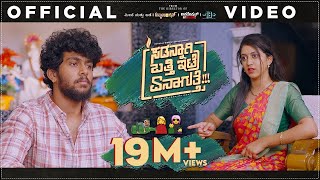
Suddennagi Batti Ettre Enagutte | JRM Studio | Official 4K Video | JYOTHI RAO MOHITH
Concept-Screenplay-Dialogue-Direction JYOTHI RAO MOHITH
https://www.facebook.com/jothiraomohit.mohit
https://www.instagram.com/jothiraomohit/
Banner- JRM studios
Special thanks - Ramesh H (Dasaralli)
Sudhakar R gowda
Location _ VEERUS VILLAGE RESTURENT
Cinematography- Sumanth |Harshith gowda
BGM- RITVIK MURALIDHAR
Producer - JRM studios
Rehearsal and Workshop- Prakash Dance class
Cast- Vivek Gowda Ramesh, Payal Chengappa, Pratheek Shetty, Gowrav Shetty, Rashika Raj, Chethan Durga, Madhumathi, Anand Ninasum, Dimple Teju, Ajendra LG, Shreyas, Kuni Kumar
Dubbing Engineer- SEENU GOWDA
Editing- KIRAN KUMAR G
DI Colourist- JACOB
Make Up- MURTHY
Hair Stylist- Mamatha
Sound Design & Final Mixing- B R NAVEEN KUMAR
Titles & Publicity designer- SEENU GOWDA
Dubbing, DI & vfx- AVATAR MEDIAS
Camera, Equipments & Main sponser- VCAMS
Direction Team- MAHENDAR
Camera Team- MH MANJUNATH, VENU GOPAL, G AJAY (V CAMS)
Subtitles: Ashwin Sriram
Digital Partner - Silly Monks Network

Umut Kuzey'in, Arpej Yapım etiketiyle yayınlanan "Tek Başımıza" isimli albümünün "Tek Başımıza" isimli şarkısı, video klibiyle sizlerle.
Söz & Beste: Umut Kuzey
Düzenleme: İskender Paydaş
Yönetmen: Ahmet Can Tekin
Davul, Synthesizer, Tuşlu çalgılar: İskender Paydaş
Elektro Gitar: Metin Türkcan
Bass: Tarkan Gözübüyük
Kayıt: Serkan Özyurt
Edit: Deniz Ilgar, Serkan Özyurt
Mix: İskender Paydaş, Deniz Ilgar, Serkan Özyurt
Mastering: Çağlar Türkmen
#UmutKuzey #TekBaşımıza #ArpejYapım
"Tek Başımıza" şarkısını tüm dijital platformlarda dinlemek için
Spotify: https://sptfy.com/LL7F
Apple Music: https://apple.co/3RXabDH
Deezer: https://deezer.page.link/gKPx7BYZjcTYpCGo6
Fizy: https://fizy.in/C7Qjr
"Tek Başımıza" şarkı sözleri ile
Kapkaranlık bu yollarda
Yürüyoruz tek başımıza
Düşe kalka çarpa çarpa
Büyüyoruz tek başımıza
Dünya malı burada kalır
Göçüp giderken tanrıya
Hesap günü geldiğinde
Yapayalnız tek başına
Yarın olup dün bitince
Her fani gibi ölünce
Bembeyaz bir bez kefende
Gideceğiz tek başımıza
Yarın olup dün bitince
Her fani gibi ölünce
Bembeyaz bir bez kefende
Gideceğiz tek başımıza
Gece olmaz gündüz olmaz
Yarın olmaz gün yaşanmadan
Bir garibin gönlünü al
Dualarla toprak olmadan
Dünya döner gündüz gece
Yaşanmaz nefes almadan
İnsanın ekmeği umut
Yaşanmaz umut olmadan
Yarın olup dün bitince
Her fani gibi ölünce
Bembeyaz bir bez kefende
Gideceğiz tek başımıza
Yarın olup dün bitince
Her fani gibi ölünce
Bembeyaz bir bez kefende
Gideceğiz tek başımıza
Yarın olup dün bitince
Her fani gibi ölünce
Bembeyaz bir bez kefende
Gideceğiz tek başımıza
Yarın olup dün bitince
Her fani gibi ölünce
Bembeyaz bir bez kefende
Gideceğiz tek başımıza
Sosyal Medya'da Arpej Yapım:
Instagram: https://www.instagram.com/ArpejYapim
Facebook: https://facebook.com/ArpejYapim
Twitter: https://twitter.com/ArpejYapim

One Direction – History (Official Video)
Follow on Spotify - https://1D.lnk.to/Spotify
Listen on Apple Music - https://1D.lnk.to/AppleMusic
Listen on Amazon Music - https://1D.lnk.to/AmazonMusic
Listen on Deezer - https://1D.lnk.to/Deezer
Listen on YouTube Music - https://smarturl.it/OneDirection_YTMusic
Check out One Direction’s 10 Year Anniversary website here:
https://1D.lnk.to/10YearsOf1DWebsite
WATCH STORY OF MY LIFE MUSIC VIDEO ► https://smarturl.it/OneDirection_SOML
WATCH WHAT MAKES YOU BEAUTIFUL MUSIC VIDEO ► https://smarturl.it/1D_WMYB
WATCH DRAG ME DOWN MUSIC VIDEO ► https://smarturl.it/OneDirection_DMD
WATCH YOU & I MUSIC VIDEO ► https://smarturl.it/OneDirection_Y_and_I
WATCH STEAL MY GIRL MUSIC VIDEO ► https://smarturl.it/OneDirection_SMG
WATCH BEST SONG EVER MUSIC VIDEO ► https://smarturl.it/OneDirection_BSE
Subscribe to the One Direction YouTube channel - https://smarturl.it/OneDirection_YT_Sub
Follow One Direction:
Facebook - https://www.facebook.com/onedirection/
Twitter - https://twitter.com/onedirection
Instagram - https://www.instagram.com/onedirection/
Lyrics
[Harry:]
You gotta help me, I'm losing my mind
Keep getting the feeling you wanna leave this all behind
Thought we were going strong
I thought we were holding on
Aren't we?
[Niall:]
No, they don't teach you this in school
Now my heart's breaking and I don't know what to do
Thought we were going strong
Thought we were holding on
Aren't we?
[All:]
You and me got a whole lot of history (oh)
We could be the greatest team that the world has ever seen
You and me got a whole lot of history (oh)
So don't let it go, we can make some more, we can live forever
[Liam:]
All of the rumors, all of the fights
But we always find a way to make it out alive
Thought we were going strong
Thought we were holding on
Aren't we?
[All:]
You and me got a whole lot of history (oh)
We could be the greatest team that the world has ever seen
You and me got a whole lot of history (oh)
So don't let it go, we can make some more, we can live forever
[Louis:]
Mini bars, expensive cars, hotel rooms, and new tattoos
And the good champagne, and private planes, but they don't mean anything
'Cause the truth is out, I realize that without you here life is just a lie
This is not the end
This is not the end
We can make it, you know it, you know
[All:]
You and me got a whole lot of history (oh)
We could be the greatest team that the world has ever seen
You and me got a whole lot of history (oh)
So don't let it go, we can make some more, we can live forever
[All:]
You and me got a whole lot of history (oh)
We could be the greatest team that the world has ever seen
You and me got a whole lot of history (oh)
So don't let it go, we can make some more, we can live forever
[Harry:]
So don't let me go
So don't let me go
[All:]
We can live forever
[Liam:]
Baby don't you know
Baby don't you know
[All:]
We can live forever
#OneDirection #History #10YearsOf1D #OneDirectionOfficial #1D #OneDirectionHistory #10YearsOfOneDirection #OneDirectionHistoryOfficialVideo
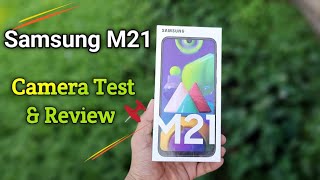
Samsung M21 Camera test & review || M21 slow motion, 4k video
👉Samsung A51 Camera test : https://youtu.be/8_vYXy-xkM8
🔰🔰🔰🔰🔰🔰🔰🔰🔰🔰🔰🔰
-----------------@--------------------------------------@--
📲Follow me
Facebook--- https://www.facebook.com/Mobiletalk/
Instagram--- https://www.instagram.com/mobile.talk/
Twitter--- https://twitter.com/777_rohit?s=01
Linkedin ----
#m21cameratest
#samsungm21
#M21camerareview

Enjoy the peaceful and colorful nature views in beautiful 4K UHD. Helps Relax & Fall Asleep FAST! 2 hours long. Relax with beautiful and colorful Macaws Parrots like the Scarlet Macaw. Sounds for relaxation, sleep, meditation, yoga, study. Sit back, relax and enjoy :)
Helping you Relax with Stunning Nature in 4K, subscribe for more!:
▷ http://bit.ly/Subscribe-Balu
🔔Be sure to ring the bell to get EVERY new video notification! 🔔
Our Videos are great as a TV Screensaver for the living room, office, lounge, waiting room, Spa, Restaurant, etc. Play it in your Oled TV, Smart TV, Roku, Apple tv, Chromecast, Xbox, Playstation, Wii, and more!.
Relax with our Non-Stop Video Playlists!:
▼ Our Most Popular Videos ▼
http://bit.ly/MostPopular4KVideos
▼ Beautiful Nature in 4K ▼
http://bit.ly/BeautifulNature-Playlist
▼ Aquariums in 4K ▼
http://bit.ly/Relaxing4KAquariums
▼ The Most Beautiful Landscapes ▼
http://bit.ly/Landscapes-Playlist
▼ Cute Animals and Relaxing Music ▼
http://bit.ly/CuteAnimals-Playlist
▼ HDR videos ▼
http://bit.ly/hdr4k
▼Follow us on Facebook and Instagram▼
https://www.facebook.com/BaLuRelaxingNature/
https://www.instagram.com/balurelaxingnature/
Copyright:
All the footage was recorded, edited and color corrected by us, we don't use stock footage in our channel, our footage is 100% Original :)
Video Footage Copyright exclusively belongs to Balu Relaxing Nature.
▼Cameras and Gear we use to record our videos▼
https://kit.co/BaluRelaxingNature
Related Hashtags:
#4K #RelaxingNature #Relax

Highway road Shaikpet to tolichowki vlog
hi Team welcome back to new Vlog
@Rehu Editz Studio
#vlog
#viralvideo
#vlogger
#vlogroad
#roadtrip
#roadview
thanks for watching ❤️

Jamiroquai - Little L (Official 4K Video)
Buy/Pre-order vinyl here: https://jamiroquai.lnk.to/Vinyl
Stream and download here: https://Jamiroquai.lnk.to/Streaming
WATCH YOU GIVE ME SOMETHING ► https://youtu.be/OEcBz6VtyDg
WATCH ALRIGHT ► https://youtu.be/9kXiLeBXzG4
WATCH SEVEN DAYS IN SUNNY JUNE ► https://youtu.be/FRSH-egVyzk
Follow Jamiroquai
Website: http://www.jamiroquai.co.uk/
Facebook: https://www.facebook.com/JamiroquaiOf...
TikTok: https://www.tiktok.com/@jamiroquaiofficial
Instagram: https://www.instagram.com/jamiroquaihq/
Twitter: https://twitter.com/JamiroquaiHQ
YouTube: http://smarturl.it/JamiroquaiYTSUB?IQ...
#Jamiroquai #LittleL #JamiroquaiLttleLOfficial4KVideo #LittleLOfficial4KVideo #JamiroquaiLittleL #JamiroquaiOfficialVideo #JamiroquaiLyrics #EmergencyOnPlanetEarth #JamiroquaiBestOf #JamiroquaiEssentials #JamiroquaiSingles #VirtualInsanity #AFunkOdyssey #TheReturnOfTheSpaceCowboy #BlowYourMind
Lyrics
There you were freaking out
Trying to get your head around
The fact that me and you and love is dead
See how I'm tripping out
'Cause you can't decide
What you really want from me
Why does it have to be like this
I can never tell
'Cause you make me love you, love you baby
With a little L
There you were shouting out
Cranking up your altercations
Getting upset in your desperation
Screaming and hollering
How could this love become so paper thin
You're playing so hard to get
You're making me sweat just to hold your attention
I can't give you nothing more
If you ain't giving nothing to me
Don't you know that
You make me love you, love you baby
With a little L
Why does it have to be like this
I can never tell
Seems like you're steppin' on the pieces
Of my broken shell
'Cause you make me love you, love you
With a little L, you know
That's the way you make me love you, yeah
Why does it have to be like this
I can never tell
You make me love you, love you baby
With a little L
Why does it have to be like this
(You make me love you, you make me love you)
I can never tell
(You make me love you, with a little L)
You make me love you, love you baby
(You make me love you, you make me love you)
With a little L
(You make me love you, with a little L)
Why does it have to be like this
(You make me love you, with a little l, that's what you do)
I can never tell
(You make me love you, with a little l, that's what you do)
You make me love you, love you baby
(You make me)
With a little L
Why does it have to be like this
(You make me love you, with a little l)
I can never tell
(That's what you do)
You make me love you, love you baby
(You make me love you, with a little l)
With a little L
(That's what you do)
Why does it have to be like this
(You make me love you, with a little l)
I can never tell
(That's what you do)You make me love you, love you baby
(You make me love you, with a little l)
With a little L
(That's what you do)
Why does it have to be like this
(You make me love you, with a little l)
I can never tell
(That's what you do)
You make me love you, love you baby
(You make me love you, with a little l)With a little L
(That's what you do)
Why does it have to be like this
(You make me love you, with a little l)I can never tell
(That's what you do)
You make me love you, love you baby
(You make me love you, with a little l)
With a little L
(That's what you do)
Why does it have to be like this
(You make me love you, with a little l)
I can never tell
(That's what you do)
You make me love you, love you baby
http://vevo.ly/1ZVVX2

Christmas Fireplace Ambience (12 HOURS). Fireplace sounds (NO Music). Fireplace background 4K UHD. Fireplace with Burning Logs & Fire Sounds. This fireplace is perfect for adding a warm and cozy atmosphere to your Christmas celebrations. If you're looking for a fireplace without any music, then this is the fireplace for you! We'll be setting it up and operating it in perfect 4K quality for you. so you can experience the beauty and warmth of a real Christmas fireplace in your home. Enjoy 12 hours of burning fire and the crackle of burning logs. A Christmas fireplace will give you a festive mood and make your room more cozy. Use the relaxing sounds of the fireplace to study, work and sleep.
🔥 Playlist: Fireplace 4K (10 HOURS) ー https://www.youtube.com/playli....st?list=PLpJBTXjS2E9
🔥 Cozy Winter Day by the Campfire 4K (10 HOURS) - https://youtu.be/taM71seGnG4
YouTube: https://www.youtube.com/channe....l/UCaJs3QtwUWJ2u_sdQ
Twitter: https://twitter.com/emelyanoof
Instagram: https://www.instagram.com/emelyanoof
Email: [email protected]
© FOBOS PLANET, Ilya Emelyanov 2023. All rights reserved. Any reproduction or republication of all or part of this video/audio is prohibited.
#FobosPlanet #Campfire #Fireplace #Fireplace4k #firesound #cozyambience #fire #campfiresound #wood #relaxing #winter #forest #YuleLog #12hours

Don't Watch That. Watch This...
You are watching the official upgraded 4K video for One Step Beyond by Madness!
Click here for more Madness: https://madnessband.lnk.to/bestofID
The song that provides the opening salvo to Madness' 1979 debut album of the same name. Who can forget the first time they heard the immortal, booming words of Chas Smash commanding "Don't watch that, watch this!"? The song is still the opener for nearly every live show they play; a veritable, instantly unifying call to arms for casual and die-hard fans alike. The video finds the boys at North London's Hope & Anchor pub, where they played many of their early gigs.
Lyrics
Hey you, don't watch that, watch this
This is the heavy heavy monster sound
The nuttiest sound around
So if you've come in off the street And you're beginning to feel the heat
Well, listen buster You better start to move your feet to the rockinest,
Rock steady beat of Madness.
One Step Beyond!
Discover more about Madness on their website : http://www.madness.co.uk
#Madness #OneStepBeyond #OurHouse2021
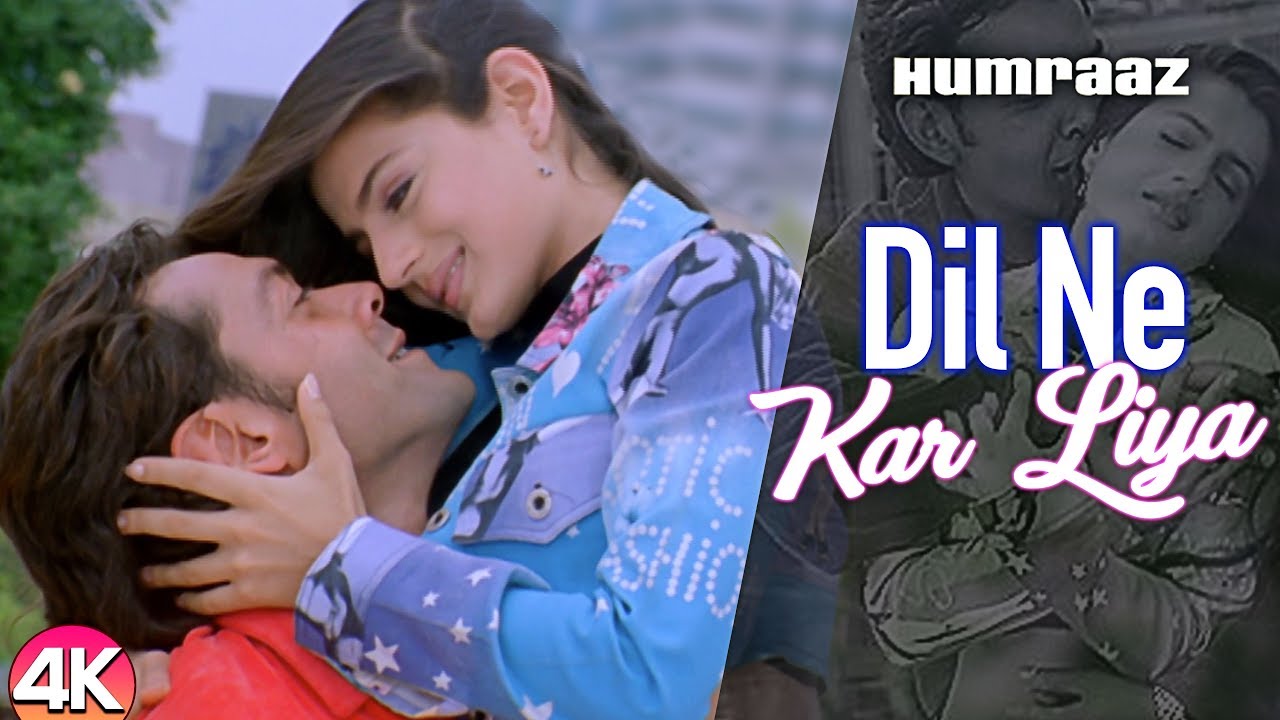
Dil Ne Kar Liya Aitbaar - 4K Video | Humraaz | Bobby Deol & Amisha Patel | Udit Narayan & Alka Yagnik | Hindi Romantic Song
#humraaz #hindiromanticsongs #4kvideos
For Bollywood Evergreen Jhankar Beats Songs : http://bit.ly/2vg1ZUu
For Bollywood 90's Romantic Songs : http://bit.ly/2cdIFlA
For Best Bollywood Dance Songs : http://bit.ly/2bE18TV
For Bollywood Evergreen Sad Songs : http://bit.ly/2uWyjAu
Song : Dil Ne Kar Liya Aitbaar
Singers : Udit Narayan & Alka Yagnik
Music : Himesh Reshammiya
Lyrics : Sudhakar Sharma
For More Updates, Subscribe to;
For Hit & Latest Music:
https://www.youtube.com/user/venus
For Music in Regional Languages:
https://www.youtube.com/user/venusregional
For Heavenly & Peaceful Devotional Music:
https://www.youtube.com/user/venusdevotional
For Bhojpuri Superhit Music :
https://www.youtube.com/c/VenusBhojpuri
For Gujarati Latest Music :
https://www.youtube.com/c/VenusGujarati
For Punjabi & Haryanvi Superhit Music:
https://www.youtube.com/c/VenusPunjabiHaryanvi
For Devotional & Islamic Qawwalis
https://www.youtube.com/user/venusislamic
For Best Nursery Rhymes:
https://www.youtube.com/user/venuskidsworld
Also You Can:
'LIKE' us on Facebook:
https://www.facebook.com/venusentertainment2
FOLLOW' us on Instagram:
https://www.instagram.com/venusmusic
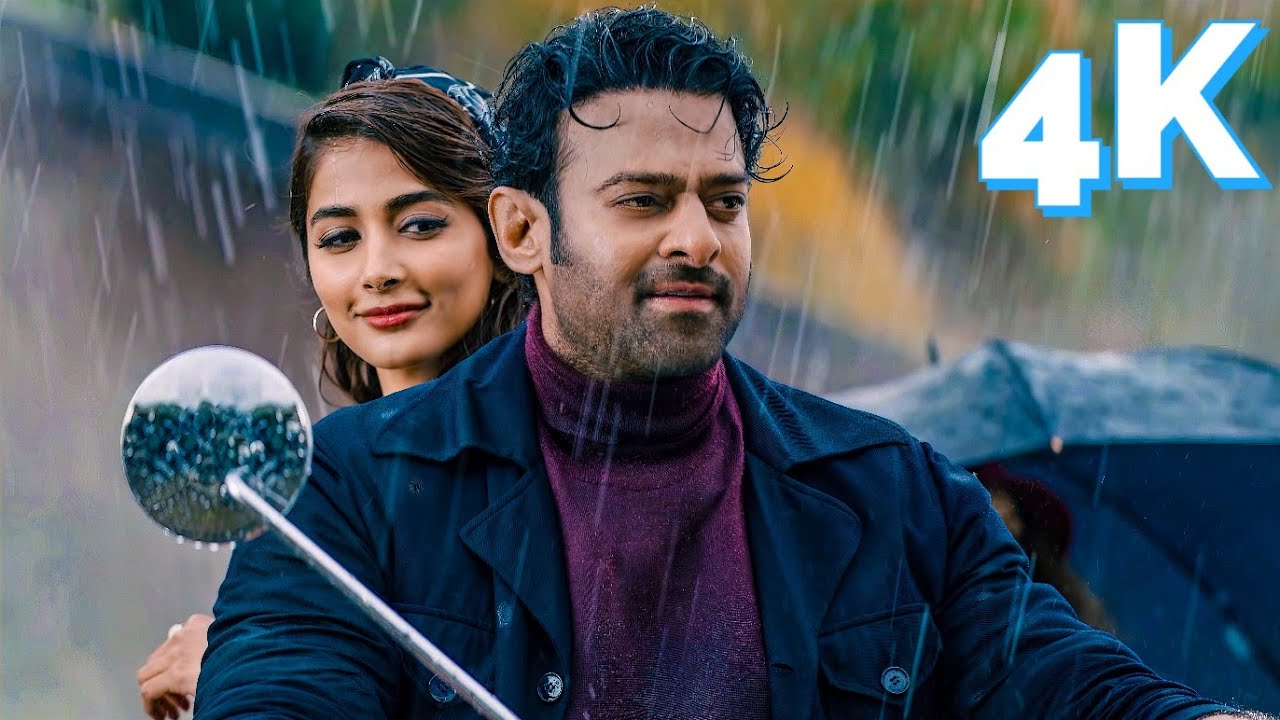
Aashiqui Aa Gayi Video Song 4k 60fps - Radhe Shyam - Prabhas and Pooja Hegde
Free Amazon Prime for 1 Month (India):
https://www.freedeal4u.com/
Aashiqui Aa Gayi Lyrics:
Ghar Se The Chale
Toh Yeh Baat Ho Gayi
Hmm.. Mmm..
Ghar Se The Chale
Toh Yeh Baat Ho Gayi
Na Jaane Kyun Unse
Mulaqat Ho Gayi
Nazrein Aise Woh Takra Gayi
Ke Humein Aashiqui Aa Gayi
Aa Gayi
Ke Humein Aashiqui Aa Gayi
Ho Ho Ho Ho Ho..
Ghar Se The Chale
Toh Yeh Baat Ho Gayi
Na Jaane Kyun Unse
Mulaqat Ho Gayi
Nazrein Aise Woh Takra Gayi
Ke Humein Aashiqui Aa Gayi
Aa Gayi
Ke Humein Aashiqui Aa Gayi
Yaar Ki Dilkashi Bha Gayi
Bha Gayi
Ke Humein Aashiqui Aa Gayi
Ho Ho Ho Ho Ho..
Badi Deewani Si Raat Thi
Huyi Ghani Barsaat Thi
Hawaon Se Uljhi Woh Zulfein
Unhone Thaam Jo Li
Toh Zulfein Aise Woh Bikhra Gayi
Ke Humein Aashiqui Aa Gayi
Aa Gayi
Ke Humein Aashiqui Aa Gayi
Yaar Ki Dilkashi Bha Gayi
Bha Gayi
Ke Humein Aashiqui Aa Gayi
Ho Ho Ho Ho Ho..
Ishq Hai Sufi Mera Ishq Mukammal
Maange Sanam Ko Hi Aankhein Yeh Harpal
Yaar Mila Hai Kya Karaar Mila Hai
Tera Pyar Mila Toh Har Mushkil Huyi Hal
Ke Humein Aashiqui Aa Gayi
#4kSong #4kVideoSong #60fpsVideoSong #4k #60fps

Tuyển Tập Bolero Chất Lượng Cao Ultra HD 4K (For 4K Smart TV, Iphone X, Galaxy S8, Galaxy Note8, Ipad Pro...) - Thiên Quang & Quỳnh Trang
►Producted by VO HOANG ENTERTAINMENT
►Facebook : https://www.facebook.com/quang.vohoang
►Fanpage : https://www.facebook.com/vohoangentertainment/
►Website : www.phongthuvohoang.net
►Email : [email protected]
Click Subscribe để theo dõi những video mới nhất của Võ Hoàng Entertainment nhé!
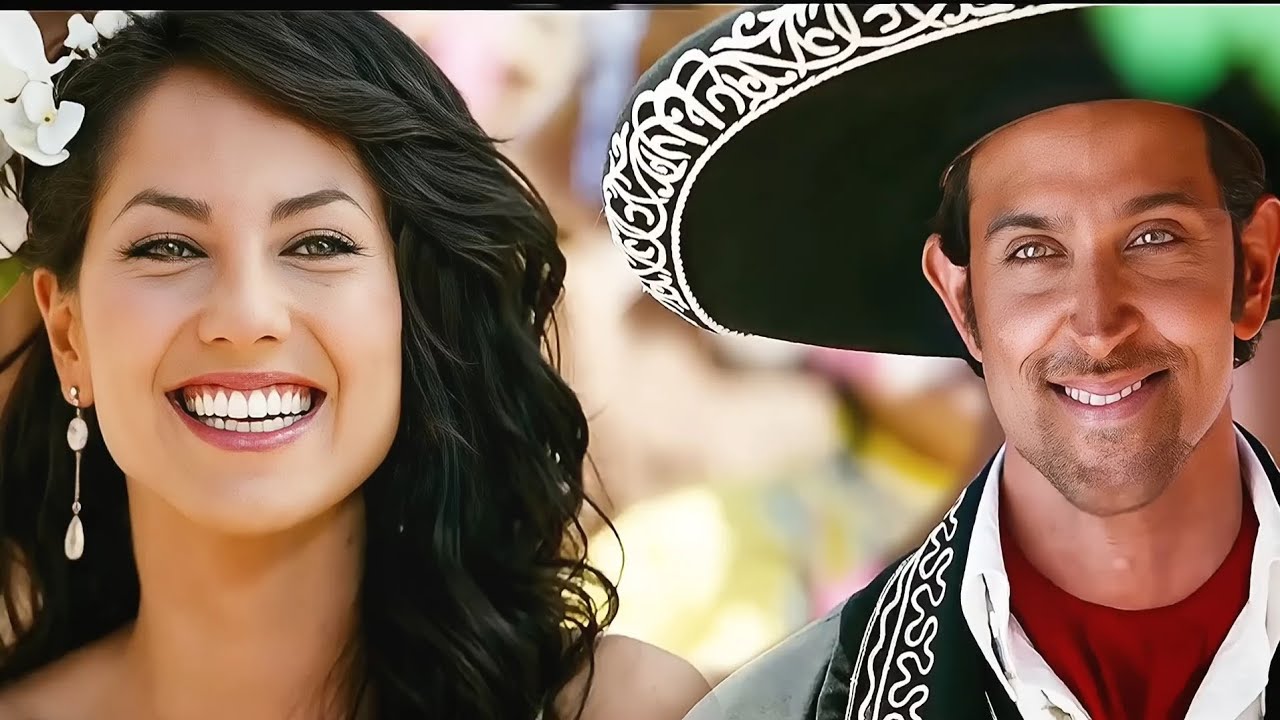
Movie/album: Kites
Singers: Krishnakumar Kunnath (K.K)
Song Lyricists: Naseer Faraaz
Music Composer: Rajesh Roshan
Music Director: Rajesh Roshan
Music Label: T-Series
Starring: Hrithik Roshan, Bárbara Mori, Kangana Ranaut, Kabir Bedi, Nick Brown
Release on: 21st May, 2010
Song Lyrics 👇
Zindagi do pal ki
Zindagi do pal ki
Intezar kab tak
Hum karenge bhala
Tumhe pyaar
Kab tak na karenge bhala
Zindagi do pal ki
Dil mein tumhari chhupa
Di hai mene to apni yeh jaan
Abb tumhi isko sambhalo
Humein apna hosh kahan
Bekhudi do pal ki
Zindagi do pal ki
Intezar kab tak
Hum karenge bhala
Tumhe pyaar
Kab tak na karenge bhala
Ek chhota sa vaada is umar se
Zyada sachcha hain sanam
Har modh par saath is liye
Rahete hain ab dono
Dosti do pal ki
Zindagi do pal ki
Intezar kab tak
Hum karenge bhala
Tumhe pyaar
Kab tak na karenge bhala
Zindagi do pal ki
Zindagi do pal ki.

One Direction – Story Of My Life (Official 4K Video)
Follow on Spotify - https://1D.lnk.to/Spotify
Listen on Apple Music - https://1D.lnk.to/AppleMusic
Listen on Amazon Music - https://1D.lnk.to/AmazonMusic
Listen on Deezer - https://1D.lnk.to/Deezer
Listen on YouTube Music - https://smarturl.it/OneDirection_YTMusic
Check out One Direction’s 10 Year Anniversary website here:
https://1D.lnk.to/10YearsOf1DWebsite
WATCH WHAT MAKES YOU BEAUTIFUL MUSIC VIDEO ► https://smarturl.it/1D_WMYB
WATCH DRAG ME DOWN MUSIC VIDEO ► https://smarturl.it/OneDirection_DMD
WATCH HISTORY MUSIC VIDEO ► https://smarturl.it/OneDirection_H
WATCH STEAL MY GIRL MUSIC VIDEO ► https://smarturl.it/OneDirection_SMG
WATCH BEST SONG EVER MUSIC VIDEO ► https://smarturl.it/OneDirection_BSE
WATCH YOU & I MUSIC VIDEO ► https://smarturl.it/OneDirection_Y_and_I
Subscribe to the One Direction YouTube channel - https://smarturl.it/OneDirection_YT_Sub
Follow One Direction:
Facebook - https://www.facebook.com/onedirection/
Twitter - https://twitter.com/onedirection
Instagram - https://www.instagram.com/onedirection/
Lyrics
Written in these walls are the stories that I can't explain
I leave my heart open but it stays right here empty for days
She told me in the morning
She don't feel the same about us in her bones
It seems to me that when I die
These words will be written on my stone
And I'll be gone, gone tonight
The ground beneath my feet is open wide
The way that I been holdin' on too tight
With nothing in between
The story of my life, I take her home
I drive all night to keep her warm and time
Is frozen (the story of, the story of, the story of)
The story of my life, I give her hope
I spend her love until she's broke inside
The story of my life (the story of, the story of)
Written on these walls are
The colors that I can't change
Leave my heart open
But it stays right here in its cage
I know that in the morning now
I see us in the light upon a hill
Although I am broken, my heart is untamed, still
And I'll be gone, gone tonight
The fire beneath my feet is burning bright
The way that I've been holdin' on so tight
With nothing in between
The story of my life, I'll take her home
I drive all night to keep her warm and time
Is frozen (the story of, the story of)
The story of my life, I give her hope
I spend her love until she's broke inside
The story of my life (the story of, the story of)
And I've been waiting for this time to come around
But, baby, running after you is like chasing the clouds
The story of my life
I take her home
I drive all night
To keep her warm and time
Is frozen
The story of my life, I give her hope (give her hope)
I spend her love until she's broken inside
The story of my life (the story of, the story of)
The story of my life
The story of my life (the story of, the story of)
The story of my life
#OneDirection #StoryOfMyLife #10YearsOf1D #OneDirectionOfficial #1D #OneDirectionStoryOfMyLife #OneDirectionOfficialVideo #StoryOfMyLifeOfficialVideo
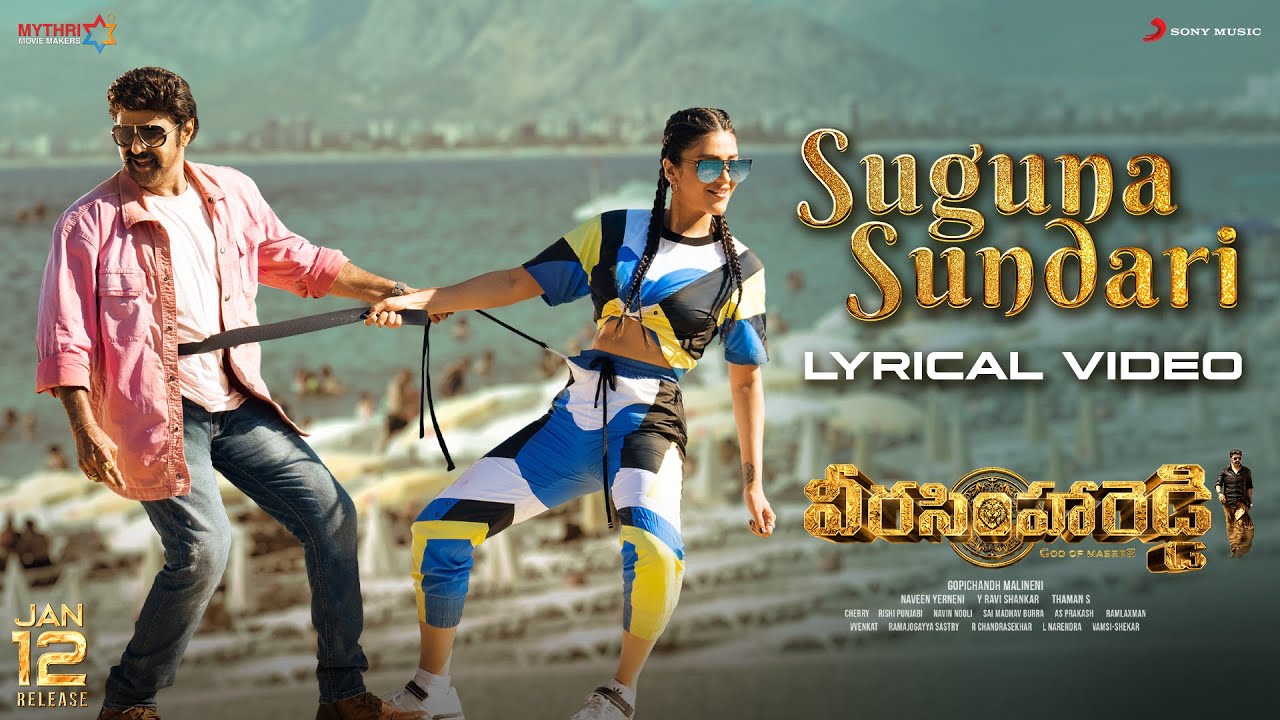
Suguna Sundari
Singer - Ram Miriyala & Snigdha Sharma
Lyrics - Ramjogayya sastry
Programmed And Arranged By Thaman S
Musical Bands - Band Thamania & Gongura Band
Live Percussions - Anandan Sivamani
Live Percussions - Krishna Kishore
Folk Rhythm - Vaniyambadi illam Puyal
Sound Indian Tapes - Lakshmi Narayana,Raju,Vedha,Jagan Mohan,Jaya Prakash,Lakshmi Kanth,Pyare Lal
Thalam - Veeda
Nadaswaram - Sivakumar
Trumpet - Babu
Guitar - GodFray
Vocal Supervision -Sri Krishna
Male Chours - Sri Krishna,Dhanunjay,Saicharan
Female Chours - Padmaja Vrusha Rachita Padmapriya Reshma Adviteeya,Pratyusha & Ramya
Song Recorded @Prasad Studio ( Hyd ) ,V Studio ( Chennai ) Uno Records Studios by Osho V , Biju
Mixed & Mastered By Shadab Rayeen At
New Edge Mumbai & New Edge (Ny)
Assisted By - Pukhraj & Anup
Musicians Co Ordinator - Manikandan K
Studio Manager - Seenu & Sridhar
Studio Assistance - Kannan,Lingam,Raju & Ranjith
Movie Details:
Cast : NATASIMHAM Nandamuri Balakrishna, Shruti Haasan, Varalaxmi Sarathkumar, Honey Rose and Duniya Vijay
Story-Screenplay-Direction : Gopichandh Malineni
Producers : Naveen Yerneni and Ravi Shankar Yalamanchili
CEO : Cherry
Executive Producer : Chandu Ravipati
Music : Thaman S
Cinematographer : Rishi Punjabi
Editing : Navin Nooli
Production Designer : A.S. Prakash
Fights : Ram-Laxman, VVenkat
Dialogues : Sai Madhav Burra
Lyrics : Rama Jogaiah Sastry
Choreography : Sekhar VJ, Shankar
Chief-Co Director : Kurra Rangarao
Co-Directors : Gulabi Srinu and Nimmagadda Srikanth
Direction Team: Prakash Dussa, Gajjala Bhaskar Reddy, Ramananda Sagar, Surya Guddati, Jyothi Prakash, Rithica Devireddy, Hemanth C. Yoganand
PRO : Vamsi – Sekhar
Publicity Designer : Working Title Shiva
Publicity : Baba Sai Kumar
Marketing : First Show
Line Producer : Bala Subhramanyam KVV
DI : Annapurna Studios
Colorist : Venu Gopal Rao. J
Associate Editors: N. Durga Prakash, Srinivas Nadiminti
Online Editor: Venkat Jalagam
Making: Krishna Reddy
Music Label - Sony Music Entertainment India Pvt. Ltd.
© 2022 Sony Music Entertainment India Pvt. Ltd.
Subscribe Now: http://bit.ly/SonyMusicSouthVevo
Subscribe Now: http://bit.ly/SonyMusicSouthYT
Follow us: https://www.instagram.com/sonymusic_south/
Follow us: Twitter: https://twitter.com/SonyMusicSouth
Like us: Facebook: https://www.facebook.com/SonyMusicSouth